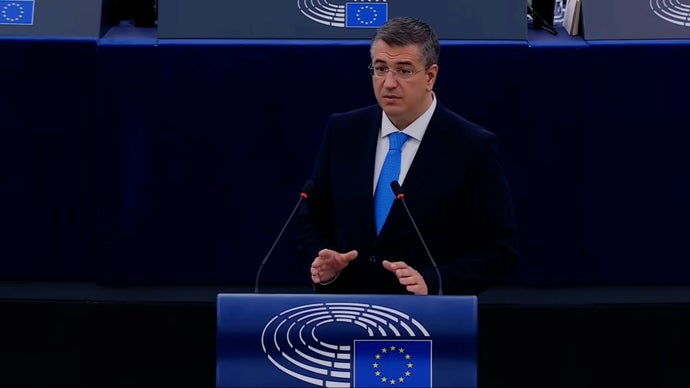
The European Commission has committed to responding to the Stop Killing Games petition before summer following a fresh parliamentary debate on May 21st in Strasbourg. The campaign, which pushes for stronger consumer protections against online game server shutdowns, now has official momentum in EU legislative processes.
The petition targets a widespread industry practice. Publishers routinely shut down online servers for older games without warning, rendering purchased titles unplayable and leaving players with no recourse. Major publishers including EA, Ubisoft, and Activision have killed servers for dozens of games across multiple platforms over the past decade. Players lose access to games they bought legitimately, with no refunds or alternatives offered.
Stop Killing Games gained serious traction after a public hearing at the European Parliament in Brussels last month. The campaign argues that server shutdowns violate consumer protection laws already on the books in the EU, particularly around digital goods and consumer rights. The petition demands explicit legislation that either requires publishers to maintain servers or release server code to communities when shutdowns occur.
This latest Strasbourg debate signals the European Parliament takes the issue seriously. Multiple MEPs spoke in favor of protecting players from losing permanent access to purchased digital content. The Commission's promise to respond before summer suggests regulators are considering formal action, whether through enforcement of existing consumer law or new regulations targeting the gaming industry specifically.
The timing matters. The UK, South Korea, and other regions are already examining similar protections. If the EU moves forward with legislation, it could force global policy shifts. Publishers would face pressure to maintain older titles or provide preservation alternatives across all markets.
Stop Killing Games represents rare player activism that reached policymakers. The campaign has over 800,000 signatures and demonstrates how player pressure can escalate gaming issues into regulatory territory. A formal EU response before summer could reshape how publishers handle legacy game maintenance and digital ownership rights.