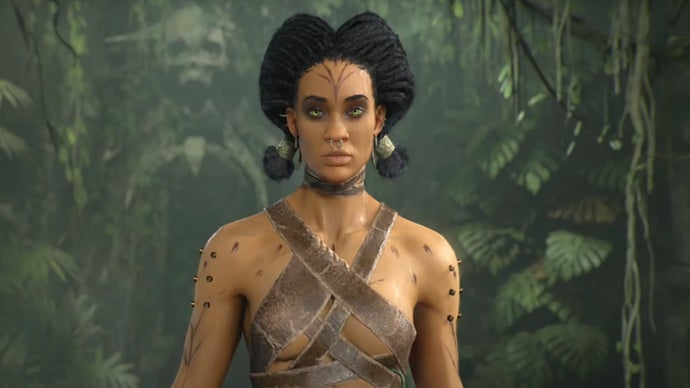
Diablo 4's lead engine engineer Marcin Undak says AAA game development cycles now routinely stretch seven to eight years, creating a staffing bottleneck that hurts junior developers trying to break into the industry.
The extended timelines mean studios front-load hiring at project kickoff, then lock in their teams for years. This leaves fewer mid-development openings for entry-level programmers and artists. Blizzard, CD Projekt, and other major publishers typically bring juniors on early and retain them through production rather than cycling new talent into rolling positions.
Undak flagged a real concern: this approach undermines team composition. The best studios mix veterans with fresh talent. Experienced engineers mentor newcomers. Juniors bring energy and new perspectives. When hiring freezes in mid-production and junior spots vanish, the pipeline dries up. Aspiring developers face longer waits to land their first industry role at major studios.
The problem ripples through the entire AAA sector. Games like Diablo 4, Starfield, and Dragon Age: The Veilguard required five to eight years of production. That's standard now, not an outlier. Studios budget for complete teams upfront because replacing staff mid-cycle costs time and money. It's economically rational but professionally punishing for juniors.
This dynamic also accelerates burnout among existing staff. Developers on seven-year projects face extended crunch. Veterans can't escape to smaller projects. Juniors can't find entry points. The result: talented people leave for indie studios, smaller publishers, or adjacent industries. Junior talent flees to AI companies, finance, or tech roles that offer shorter project cycles and clearer promotion paths.
The industry's solution remains unclear. Some studios experiment with contractor pools for mid-cycle work. Others invest in training programs. But the structural problem persists