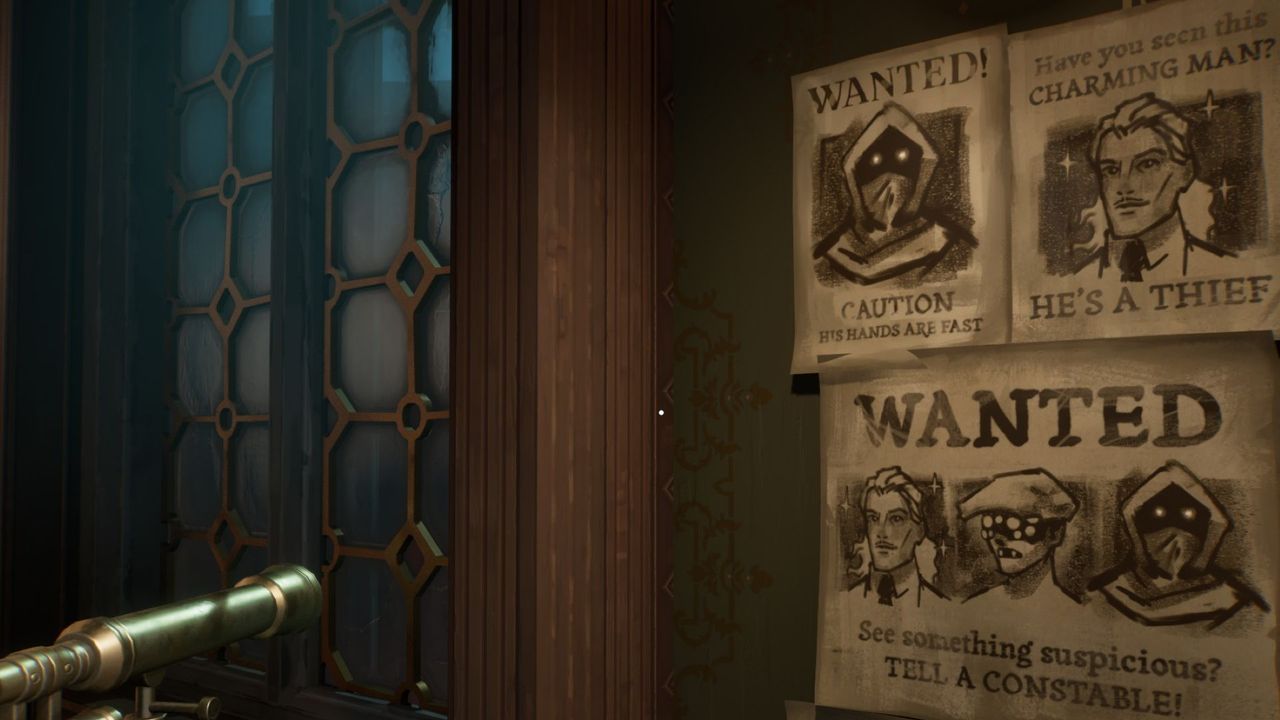
Warren Spector's Thick as Thieves launched as a multiplayer-focused stealth title, but the studio has now added singleplayer content. The game positions itself as a spiritual successor to the Thief franchise, which Spector helped define during his tenure at Looking Glass Studios in the 1990s.
PC Gamer's review reveals a harsh reality: the singleplayer mode falls flat. The gameplay feels underdeveloped compared to the ambitious multiplayer foundation. Thick as Thieves struggles to recapture the atmospheric immersion and mechanical depth that made Thief 1 and 2 legendary. The singleplayer campaign lacks the narrative weight, environmental storytelling, and stealth puzzle design that defined the original series.
Spector's design philosophy shaped a generation of immersive sims, but Thick as Thieves fragments that vision across two distinct modes. The multiplayer portion, designed from the ground up, offers more polish and purpose. Forcing singleplayer content into that framework exposes fundamental design mismatches. Players seeking a true Thief spiritual successor will find themselves disappointed by shallow mechanics and limited scenario variety.
The core issue stems from treating singleplayer as an afterthought. Modern stealth games like Hitman 3 and Splinter Cell Remake prove that the genre thrives when developers prioritize single-player design. Thick as Thieves reversed that priority, resulting in a multiplayer game with a singleplayer mod rather than a cohesive stealth experience.
For players nostalgic for Spector's legacy, this serves as a sobering reminder. Adding singleplayer content post-launch cannot salvage a game built on multiplayer foundations. The Thief franchise's essence demanded player agency, emergent solutions, and first-person stealth mastery.