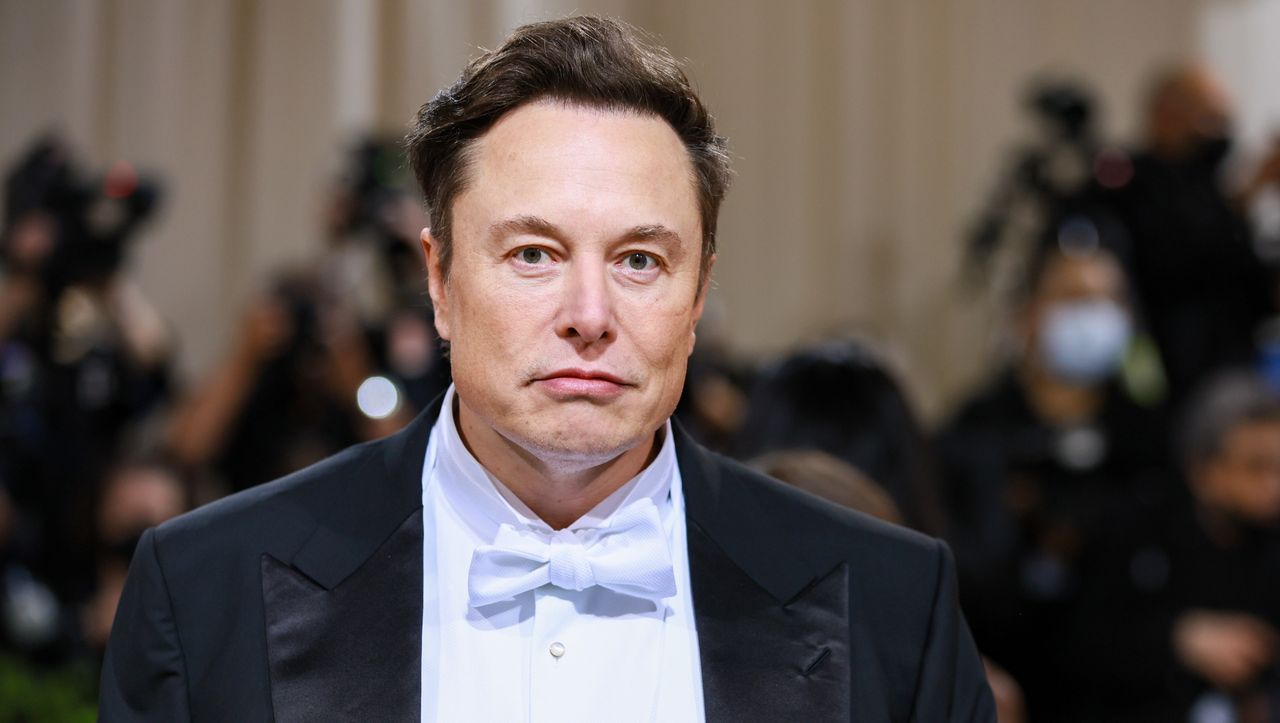
Elon Musk's lawsuit against Sam Altman and OpenAI failed on a technicality, according to court filings reviewed by PC Gamer. The case hinged on whether Musk could prove OpenAI violated its founding charter by prioritizing profit over its nonprofit mission. The judge dismissed the case before reaching the merits, citing procedural grounds rather than the substantive arguments about the company's direction.
Musk founded OpenAI in 2015 as a nonprofit research organization focused on developing artificial intelligence safely. He departed from the board in 2018 but maintained that the company's pivot toward commercial operations, culminating in its partnership with Microsoft and shift toward for-profit structure, betrayed its original mission. Altman led OpenAI through this transformation, becoming CEO and shepherding the development of ChatGPT into one of the fastest-adopted consumer products in tech history.
The court's decision to dismiss on procedural grounds rather than examining the core claim means neither side achieved a definitive legal victory on the fundamental question: whether OpenAI's path violated its foundational principles. This leaves the narrative ambiguous. Musk's broader critique about AI companies abandoning nonprofit ideals for shareholder returns gained no legal validation. Simultaneously, OpenAI faced no judicial judgment that its commercialization contradicted its charter.
The timing underscores a peculiar moment in AI industry development. OpenAI now operates at the center of the AI arms race between Microsoft and Google, with trillion-dollar implications for both tech giants. Musk separately launched xAI, his own AI venture, positioning himself as an alternative to what he views as OpenAI's compromised mission.
For the gaming industry specifically, this case carries indirect weight. OpenAI's GPT models and plugins increasingly appear in game development tools, asset generation, and narrative design. The unres