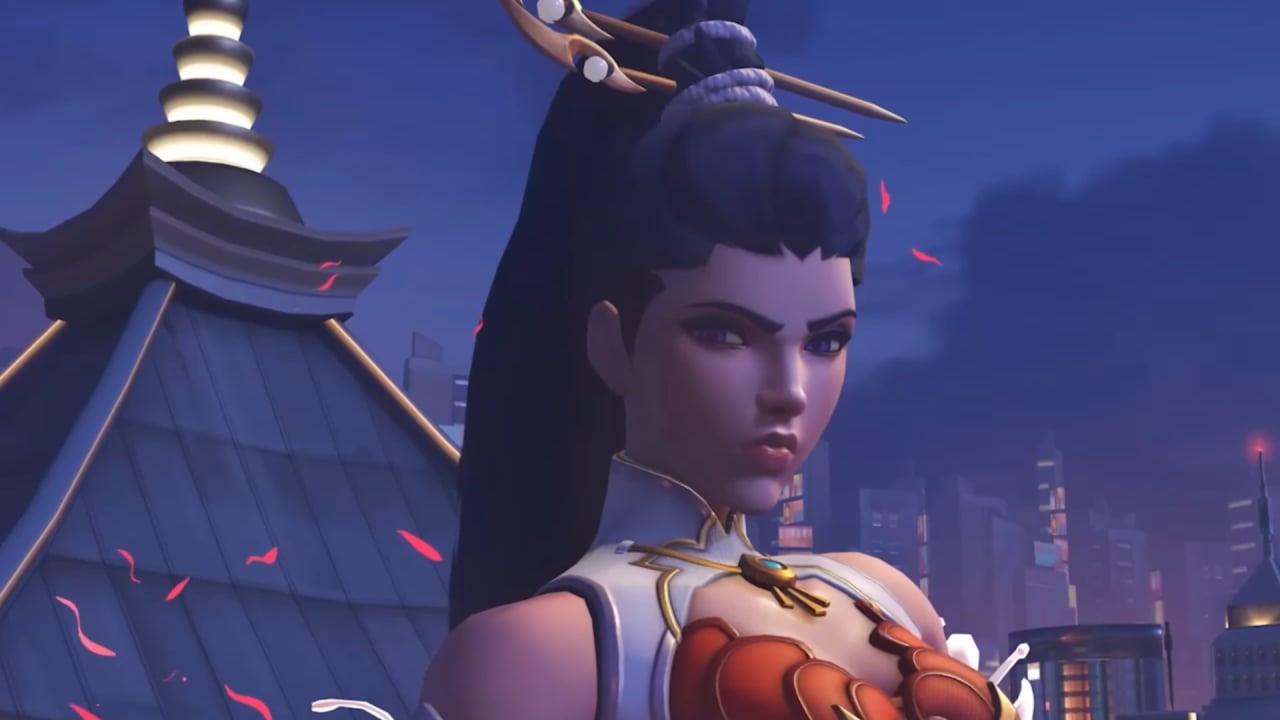
Blizzard treats Overwatch 2's Chinese player base differently than Western audiences, regularly rolling out exclusive cosmetics and content that never reach North American or European servers. The studio partners with NetEase to operate the game in mainland China, which grants it operational independence and the ability to customize the experience for local preferences.
Chinese Overwatch players receive region-specific hero skins, weapon finishes, and seasonal cosmetics designed around Chinese cultural themes and holidays. These items reflect local tastes and regulatory requirements, but they also highlight the reality of regional content fragmentation in modern live-service games. Blizzard doesn't simply port these cosmetics elsewhere, maintaining them as China-exclusive rewards.
This practice stems from how Chinese game distribution works. NetEase manages player acquisition, monetization, and server infrastructure independently. Blizzard maintains creative oversight but delegates operational control. That separation allows NetEase to greenlight cosmetics tailored specifically to Chinese audiences without requiring approval from Blizzard's global teams. The result: Chinese players get fresher cosmetic variety tied to regional events and celebrations.
Western players notice the disparity on social media. Overwatch 2's global audience can see what cosmetics exist in China through datamining and community sharing, but the items remain locked behind regional boundaries. Requests for international release go largely unaddressed by Blizzard, frustrating collectors who want access to skins they'll never see on their home servers.
This pattern isn't unique to Overwatch 2. League of Legends, Final Fantasy XIV, and other online games maintain region-specific cosmetics that never reach Western markets. Chinese publishers often negotiate exclusive content as part of licensing agreements, leveraging their massive player base to justify custom development.
For Blizzard, the strategy works financially. China represents massive revenue potential, and tailored content encourages spending from local players. Western