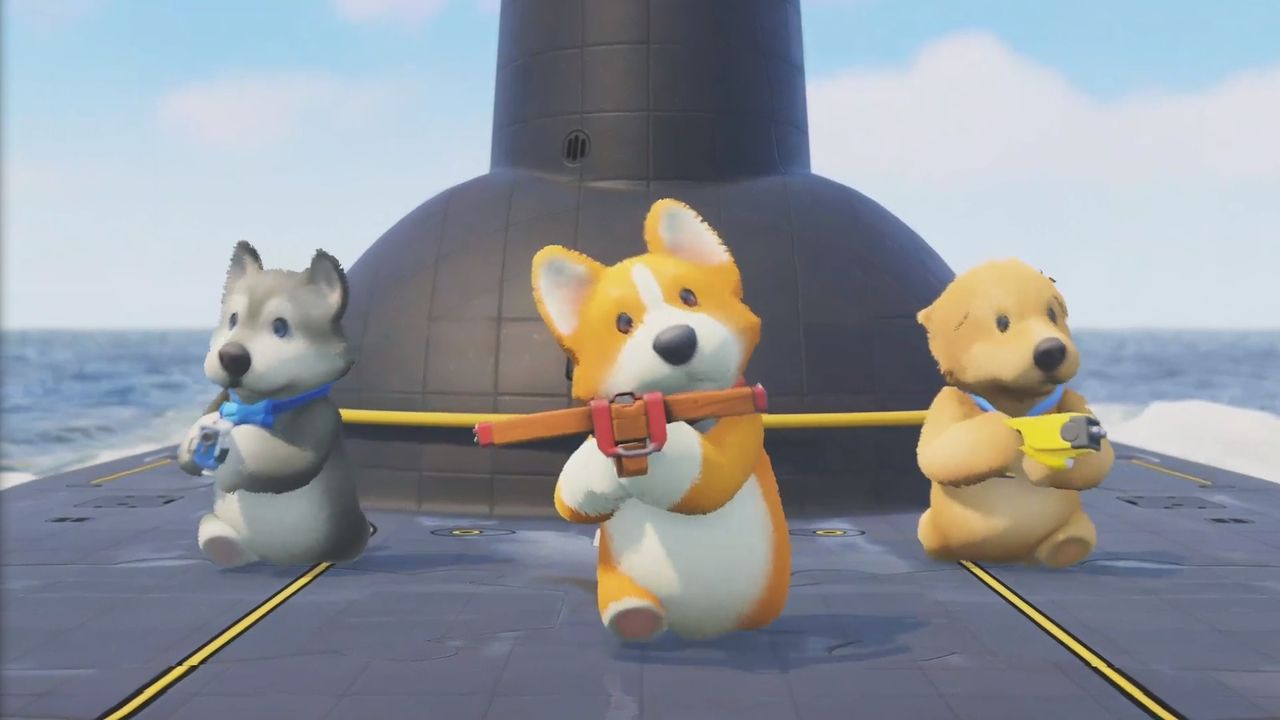
Recreate Games has cancelled its AI video contest following community backlash over the generative technology's use in gaming spaces. The studio behind Party Animals announced the decision with an apology to players, stating it will approach similar initiatives "with a much more humble and cautious attitude" moving forward.
The contest, which invited players to submit AI-generated videos, sparked significant pushback from the gaming community. Critics raised concerns about AI's impact on creative work, labor displacement, and the ethical implications of promoting generative tools at a time when developers and artists already face industry uncertainty.
Recreate Games' response signals a shift in how smaller studios are reassessing their relationship with AI adoption. The competitive gaming space has grown increasingly hostile toward unprompted AI integration. Last year, multiple studios faced similar criticism when announcing AI features without adequate community consultation or transparent implementation plans.
Party Animals itself remains a popular party game on Steam, built around local and online multiplayer chaos. The studio's willingness to cancel the contest quickly demonstrates how swiftly developer sentiment can shift when faced with organized player resistance. This differs from larger publishers like Ubisoft or Activision, which have doubled down on AI initiatives despite criticism.
The apology indicates Recreate Games recognizes the disconnect between corporate ambition and player values. Many indie studios lack the resources to weather sustained community backlash, making rapid course correction a survival strategy rather than purely an ethical choice.
This incident fits into a broader pattern where mid-sized studios use community feedback to course-correct, while AAA publishers often absorb criticism and proceed regardless. For Recreate Games, repairing trust with Party Animals' playerbase proved more valuable than maintaining the contest. The studio's stated commitment to future caution suggests at least some recognition that AI tools require explicit consent and community dialogue before implementation in gaming projects.