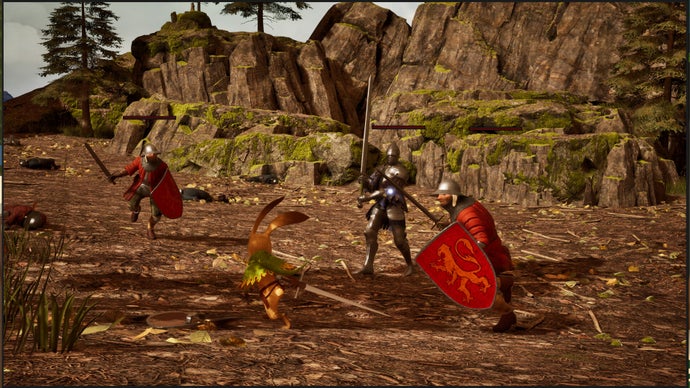
Johan takes the punishing combat template of Sekiro: Shadows Die Twice and wraps it around one of gaming's most absurd premises. You play as a rabbit that literally escaped a medieval manuscript and now hunts revenge against the knights destroying the land. The game embraces its ridiculous setup fully, blending Sekiro's demanding parry-and-counter swordplay with animation and storytelling grounded in the concept of a illuminated manuscript creature seeking vengeance.
The action-game market has seen countless Souls-likes attempt to replicate FromSoftware's formula, but Johan's execution hinges on its tonal commitment. Pairing high-difficulty combat mechanics with a cartoonish, whimsical protagonist creates immediate contrast. A vengeful anthropomorphic rabbit doesn't carry the brooding gravitas of a shinobi warrior, and the game appears to lean into that clash rather than fight it.
The medieval manuscript aesthetic suggests developers are mining visual inspiration from actual historical sources. Illuminated rabbits and knights rendered in that ornate, almost storybook style could differentiate Johan visually from the grim, monochromatic tone most Souls-likes adopt. Whether this tonal lightness undermines the tension required for challenging combat remains unclear, but the intentional silliness signals creative ambition beyond template copying.
This pitch works because it acknowledges both its influences and its absurdity. Sekiro players hungry for fresh takes on that formula might find Johan refreshing. The gaming industry churns out countless Souls-likes that treat difficulty as inherent gravitas. Johan instead asks what happens when you strip that seriousness away entirely, when a manuscript rabbit becomes the protagonist facing down armored foes.
The real test comes down to execution. Sekiro's appeal relies on precise timing and pattern recognition layered under narrative and aesthetic weight. Johan trades that