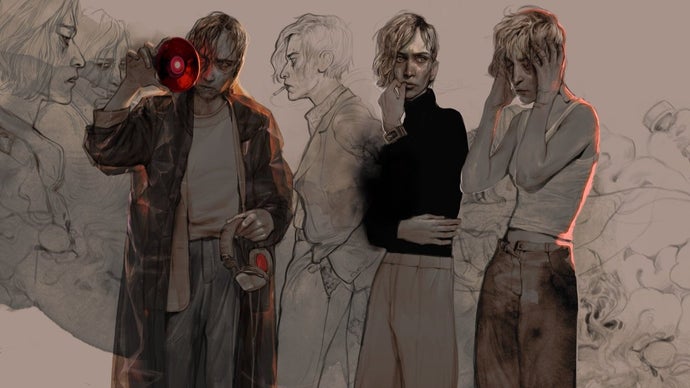
Zero Parades: For Dead Spies wears its Disco Elysium inspiration on its sleeve, borrowing the detective RPG structure and narrative focus that made ZA/UM's 2019 breakout a phenomenon. The comparison feels deliberate. Zero Parades centers on interrogation mechanics and branching dialogue trees set against a world obsessed with imitation culture, bootlegs, and manufactured authenticity.
The game leans into this thematic overlap with purpose. Where Disco Elysium explored detective work through a broken consciousness in a decaying port city, Zero Parades interrogates what happens when culture itself becomes counterfeit. Players navigate a setting saturated with fake products, imitation aesthetics, and wholesale appropriation. The game asks uncomfortable questions about erasure and displacement through the lens of these forgeries.
This release carries extra weight given ZA/UM's internal turmoil. The studio ousted key creative leadership including lead writers and designers, abandoning planned expansions following public disputes with executives. That context makes Zero Parades' fascination with clones and their capacity for cultural displacement read as commentary on creative theft and corporate displacement of artistic vision.
For players seeking Disco Elysium's DNA in a new package, Zero Parades delivers familiar mechanics. The interrogation sequences and dialogue-heavy progression feel ancestral to ZA/UM's design. But the game functions as something more than pastiche. Its thematic preoccupation with bootlegs, forgeries, and how imitation culture operates at the margins suggests ambitions beyond homage.
The game won't satisfy purists who see it as parasitic on Disco Elysium's legacy. Yet dismissing Zero Parades entirely misses what it's attempting. The game weaponizes its own bootleg status as thematic material, making the tension between original