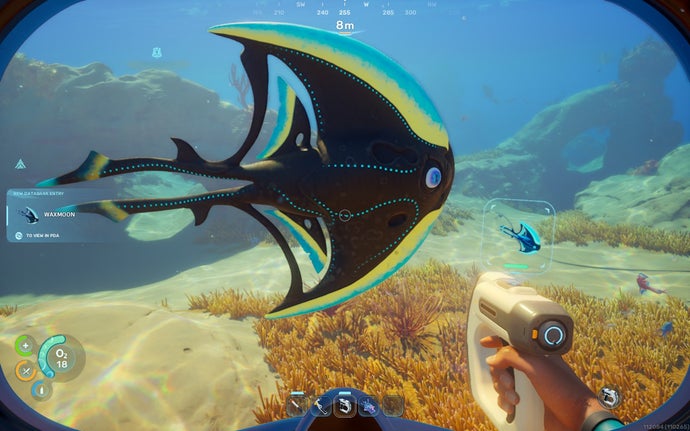
Unknown Worlds Entertainment launched Subnautica 2 into early access today, fully aware that players accustomed to polished releases will find an unfinished game. The studio learned this lesson from the original Subnautica, which spent four years in early access starting in 2014 before becoming the deep-sea survival hit it is today.
The sequel's early access launch feels deceptively finished. Unknown Worlds built enough content and systems to appear complete, yet substantial development remains ahead. The team chose this path deliberately. Early access allowed the original Subnautica to evolve through player feedback, adding biomes, features, and refinements that shaped its final form. The studio recognized that community input during development produces better results than polishing in isolation.
Launching an unfinished game invites criticism. Unknown Worlds acknowledges this openly. Players expecting a finished product will encounter missing features, balance issues, and incomplete zones. The team accepts the backlash as necessary cost of the development approach.
This strategy reflects changing industry attitudes. Early access no longer carries the stigma it once did. Games like Valheim, Baldur's Gate 3, and Hades all benefited from extended early access periods where players shaped core mechanics and content. Unknown Worlds views Subnautica 2's early access as essential, not a shortcut. Community feedback drives iteration on exploration, base-building, creature behavior, and progression systems in ways internal testing cannot match.
The original Subnautica's four-year early access journey built a dedicated fanbase invested in the game's evolution. Subnautica 2 follows the same blueprint. Unknown Worlds trades initial perception of incompleteness for long-term development quality and player ownership of the final product.
For players jumping in now, expect a compelling foundation with rough edges. For Unknown Worlds, expect