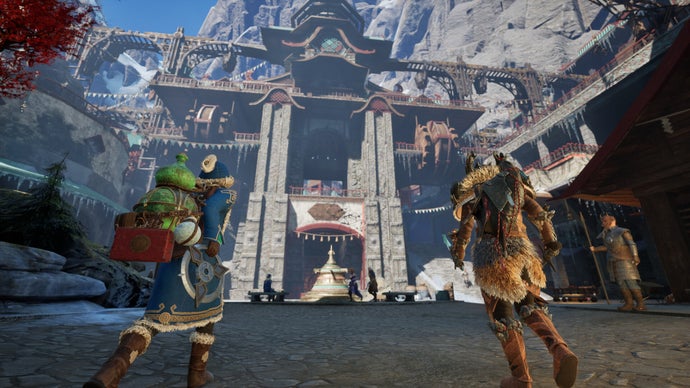
Outward 2 launches in July with a straightforward design philosophy. Nine Dots Studio built the sequel around accessibility, ensuring even low-end PCs can handle it. The studio has prioritized performance over graphical spectacle, a deliberate stance that sets the game apart from current-gen RPG trends.
The original Outward carved its niche by rejecting power fantasy tropes. Players don't save the world or become legendary heroes. Instead, you inhabit an ordinary adventurer grinding through survival challenges with limited resources and real consequences. Outward 2 doubles down on this grounded approach, positioning your character as just another person navigating a harsh world.
This accessibility-first mentality reflects a broader industry conversation. AAA studios typically chase cutting-edge graphics and performance tiers that exclude players on older hardware. Outward 2 refuses that gatekeeping. Whether you're running a five-year-old gaming laptop or a budget build, the game targets broad compatibility without compromising the core experience.
The July release window lands Outward 2 in summer territory where mid-tier releases often thrive. The original found an audience precisely because it offered something different. RPG players fatigued by chosen-one narratives and power-creep design gravitated toward its survival-focused mechanics and co-op gameplay. The sequel inherits that foundation.
Nine Dots Studios understands its audience. Outward players value substance over spectacle. They want meaningful systems, exploration that rewards curiosity, and a world that doesn't revolve around their avatar's importance. The studio's commitment to runnable performance suggests confidence in the design itself, not reliance on visual fidelity to sell the experience.
This approach also positions Outward 2 strategically. While AAA publishers launch $70 titles demanding latest-generation systems, Nine Dots targets PC gaming's