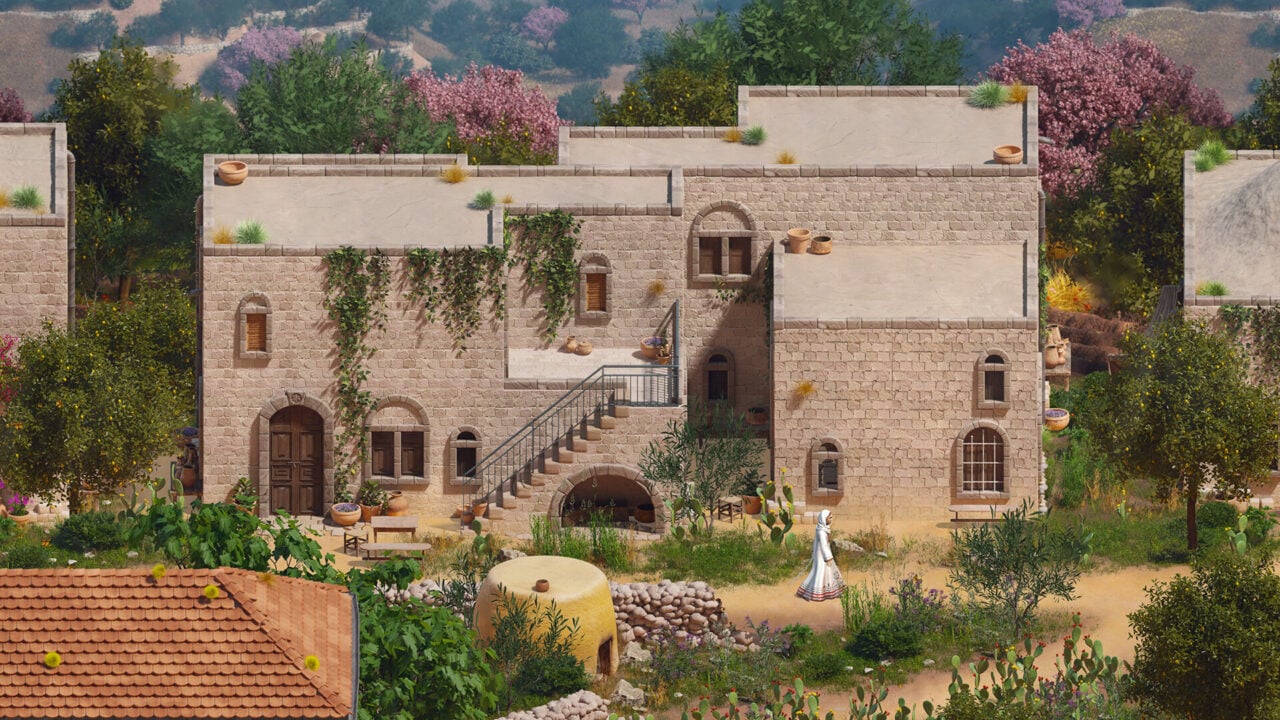
A Palestinian game developer is using interactive media to preserve and celebrate his homeland's historical heritage. The project centers on recreating significant locations and cultural moments from Palestine's past, transforming them into a playable experience that lets players explore the region's geography, architecture, and history firsthand.
The developer's approach reflects a growing trend in indie gaming where creators use their platforms to document cultural narratives often absent from mainstream media. By crafting an interactive representation of Palestinian landscapes and historical sites, the game functions as both entertainment and historical archive. Players encounter restored versions of significant buildings, public spaces, and landmarks that showcase the region's architectural legacy and daily life across different periods.
This initiative sits within a broader movement of games exploring regional identity and cultural preservation. Titles like Ghawar and other Middle Eastern-developed projects have demonstrated player appetite for stories rooted in underrepresented geographies. The medium offers unique advantages over traditional documentation. Interactive experiences allow players to inhabit spaces, move through them at their own pace, and form personal connections to historical sites in ways passive media cannot replicate.
The project faces typical indie development challenges: limited funding, small team size, and the technical demands of creating detailed historical environments. Palestinian developers operate within additional constraints, including infrastructure limitations and limited access to industry resources that Western studios take for granted. Despite these obstacles, the creator persists in developing a title that honors his community's cultural memory.
The game represents more than entertainment. It functions as digital preservation, ensuring that architectural heritage and historical details survive regardless of physical circumstances. For diaspora communities and international audiences, it provides direct access to Palestinian history presented through a Palestinian perspective. This form of cultural documentation through games demonstrates how interactive media can serve purposes beyond commerce or competition, positioning games as legitimate vessels for historical narrative and cultural pride.