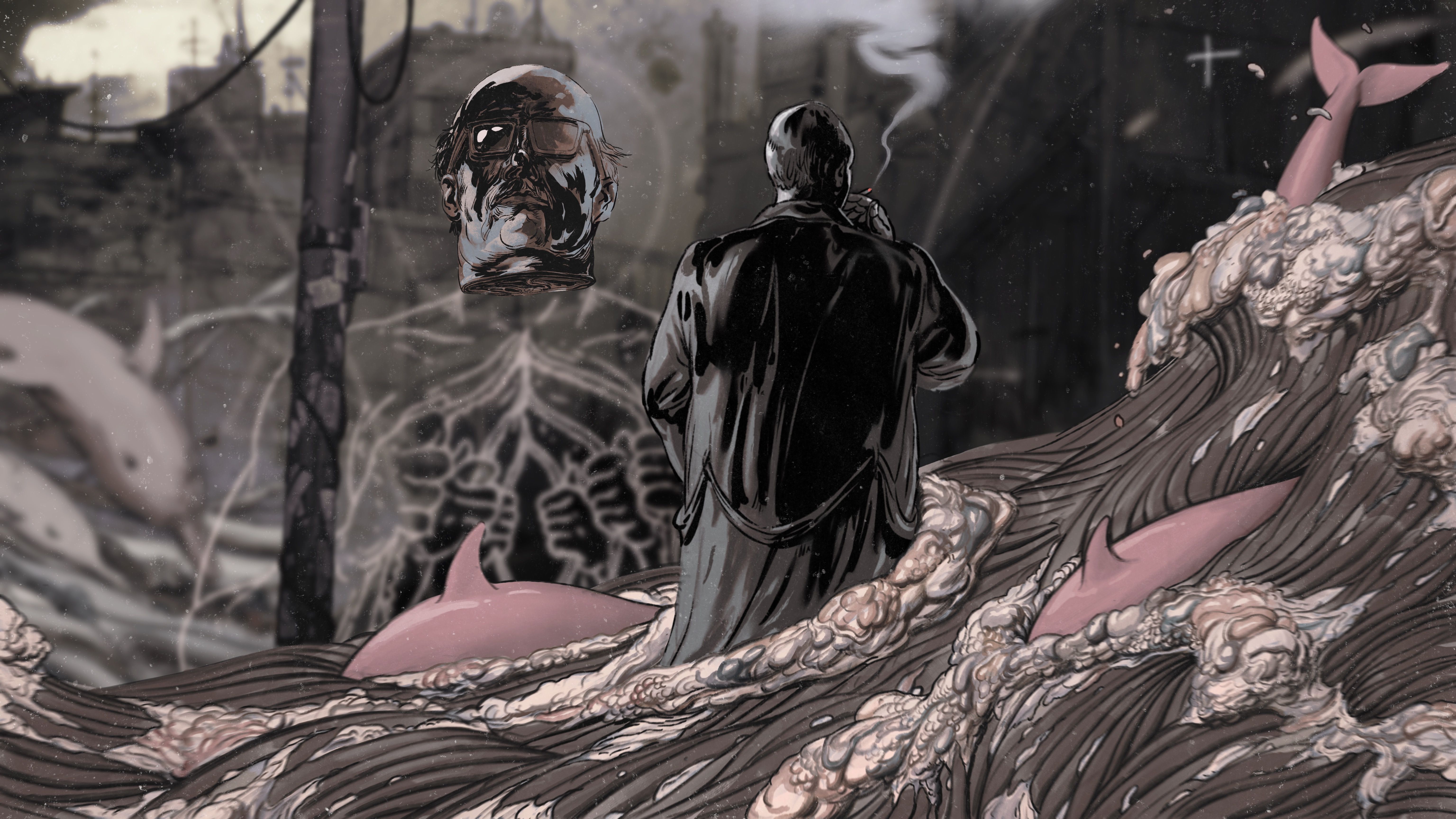
Zero Parades: For Dead Spies arrives as the spiritual successor to Disco Elysium, the 2019 indie RPG that redefined narrative-driven detective stories. Developer ZA/UM created Disco Elysium, and now the studio's new project shows genuine promise to exceed its predecessor's ambitions.
The opening hours reveal a game that builds on Disco Elysium's foundation of choice-driven storytelling and complex character development. Like its predecessor, Zero Parades emphasizes dialogue, internal monologue, and player agency in ways that blur the line between RPG mechanics and interactive fiction. The game maintains the literary quality that made Disco Elysium stand out, with writing that prioritizes atmosphere and character depth over traditional quest markers.
What separates Zero Parades appears to be scope and refinement. While Disco Elysium carved its niche as a contemplative detective noir rooted in class commentary and existential dread, Zero Parades adds spy thriller elements that expand the narrative potential. The game's setting and tone adapt those themes to fresh territory without losing the philosophical backbone fans cherished.
The critical reception already hints at something special. Polygon's assessment that Zero Parades "has the potential to be better" suggests the game doesn't just replicate what worked before. It innovates. The mechanics feel tighter, the pacing sharper, and the world more reactive to player choices. For a studio like ZA/UM, which faced turbulent development and internal restructuring after Disco Elysium's success, demonstrating this level of creative control matters.
Zero Parades: For Dead Spies targets players who exhausted Disco Elysium's replay value and craved more from that specific genre blend. It arrives in a market where narrative RPGs struggle to command attention, yet indie developers continue