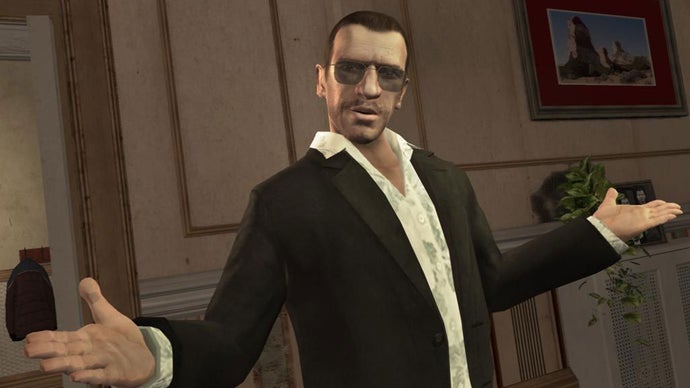
Rockstar Games faces an uphill battle capturing lightning in a bottle with Grand Theft Auto 6's marketing push. Rumors swirl about an incoming GTA 6 trailer, but even Rockstar itself struggles to recapture the cultural earthquake generated by Grand Theft Auto 4's second reveal back in 2008.
GTA 4's second trailer became a phenomenon for reasons nobody, including Rockstar, fully anticipated. The studio didn't engineer the cultural significance that followed. The trailer's impact transcended typical game marketing, embedding itself into broader popular culture in ways GTA 6 will find nearly impossible to replicate.
The gaming landscape has shifted dramatically since GTA 4's PS3 and Xbox 360 launch. In 2008, Grand Theft Auto commanded near-monopolistic cultural real estate. Social media existed but operated at fraction of today's scale. Memes required effort to spread. Trailers built anticipation through traditional channels rather than fragmenting across TikTok, Twitter, and Discord.
GTA 6 launches into a fractured attention economy. Gaming dominates entertainment now, but individual releases struggle for singular cultural moments. The franchise itself faces fatigue after 15 years of Grand Theft Auto 5's extended lifecycle. Players have moved between battle royales, live-service games, and narrative-driven adventures. The fever pitch surrounding GTA 4's reveal feels quaint by comparison.
Rockstar's marketing machinery will undoubtedly craft polished, expertly designed trailers. Cinematics will impress. Gameplay reveals will excite the fanbase. But capturing genuine cultural shock, the kind that makes non-gamers care about a crime sandbox, remains nearly impossible in 2024. GTA 4 benefited from perfect timing, cultural novelty, and an unexpectedly receptive audience beyond gaming's core