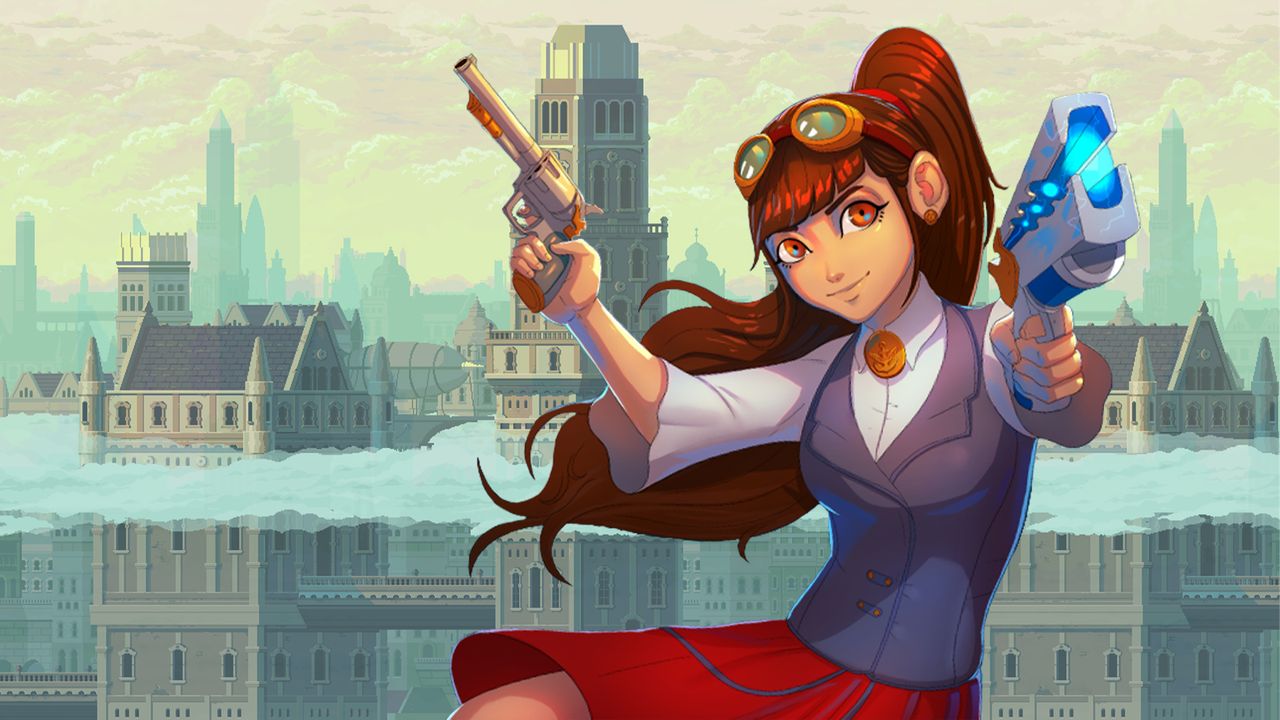
The metroidvania genre continues its relentless march across Steam, but player engagement tells a different story. While developers keep shipping search-action platformers at a furious pace, the audience appetite appears to be shifting elsewhere.
Steam's weekly data reveals a paradox. The metroidvania pipeline remains robust, with multiple titles launching and competing for attention. Yet concurrent player counts for recent releases in the genre lag behind previous years' standouts. Games like Hollow Knight and Blasphemous established the current template, but saturation has diluted their impact.
The genre's explosion stems from several factors. Metroidvanias offer proven design frameworks that indie studios can execute without AAA budgets. Development tools have improved. Publishing pipelines shortened. The result: oversupply in a niche that, while dedicated, can only absorb so many entries simultaneously.
Player behavior data shows attention fragmenting across other genres. Roguelikes, deck-builders, and narrative-driven experiences capture mindshare that metroidvanias once dominated. The 2D action landscape has also diversified. Boss-rush games, soulslike-inspired 2D titles, and action platformers pull from the same audience.
This doesn't spell doom for the genre. Strong execution still finds players. Games with distinct visual identities, memorable bosses, or fresh mechanics perform better than competent-but-generic entries. Quality separates. Mediocrity drowns.
For developers, the lesson is clear. Metroidvania viability depends on differentiation. A technically solid Castlevania-inspired experience no longer guarantees traction. The world hasn't moved on from the genre entirely, but it has moved on from treating it as a guaranteed hit formula. Steam's metroidvania glut reflects both the genre's accessibility and its current ceiling. The question facing developers now isn't whether to make a metroidvania