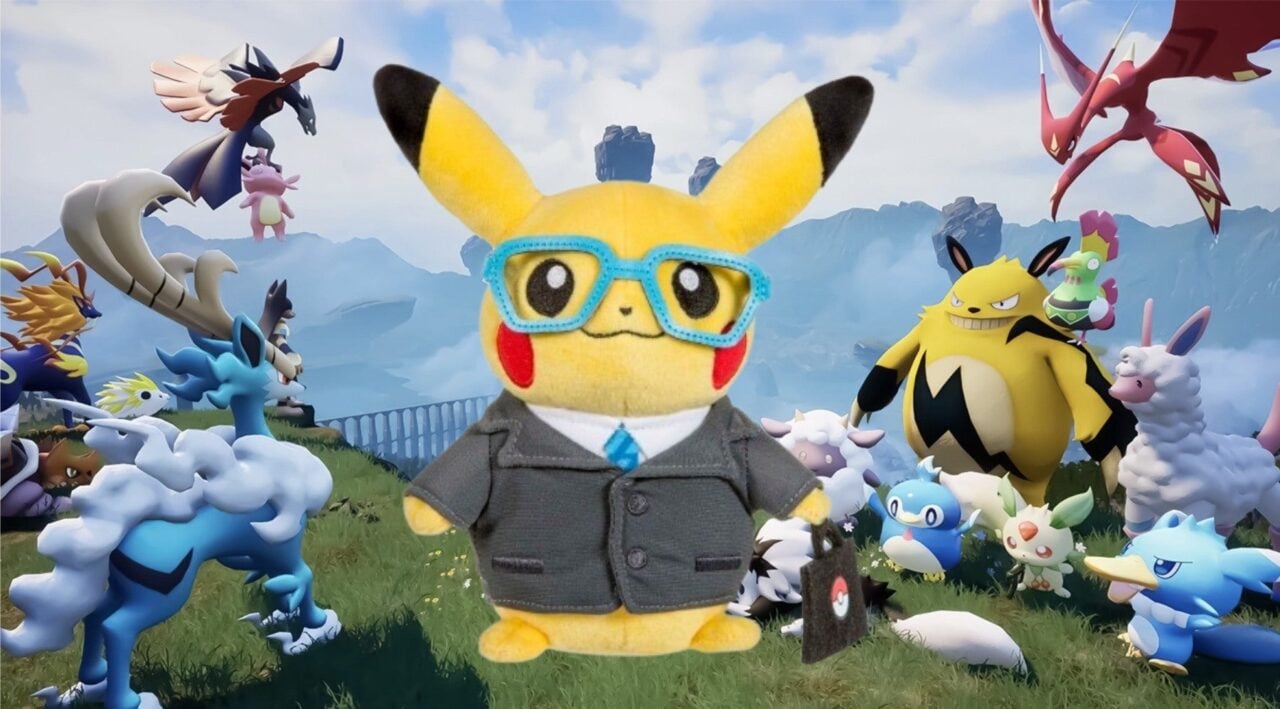
Nintendo faces another legal setback in its ongoing patent dispute involving Pokémon mechanics. The company's lawsuit, which targets the use of specific gameplay systems, has encountered fresh obstacles in court proceedings.
Details remain limited, but this marks another instance of Nintendo struggling to enforce its intellectual property claims through litigation. The Pokémon Company and Nintendo have aggressively protected their franchise from competitors and fan projects, but courtroom victories have proven elusive in recent patent cases.
Nintendo's approach to IP defense traditionally relies on cease-and-desist letters and takedowns targeting Pokémon fan games and mods. However, when disputes escalate to formal litigation, the company has encountered resistance from judges questioning the validity or scope of its patent claims. This latest development continues that trend.
The gaming industry watches these cases closely because patent enforcement shapes competitive dynamics. Broader patents give established publishers more leverage against smaller developers and indie creators. Narrower interpretations encourage innovation and allow others to build on proven mechanics without fear of litigation.
For Pokémon specifically, the franchise remains commercially dominant across trading card games, mobile titles like Pokémon Go, and mainline releases on Nintendo Switch. Revenue concerns appear minimal. However, the legal battles signal Nintendo's determination to prevent direct competitors from replicating core gameplay systems.
Independent developers and modding communities have celebrated previous judicial skepticism toward Nintendo's patent claims. Each court loss weakens the company's ability to suppress fan projects or prevent similar mechanics in rival titles.
This case reflects broader tension in gaming law. Patents protect innovation and incentivize development investment. Yet overly broad patents stifle competition and prevent iteration on established formulas. Courts increasingly question whether game mechanics themselves deserve patent protection or if only specific technical implementations merit protection.
Nintendo will likely continue pursuing IP claims through all available channels. However, repeated court losses may force the company to narrow its strategy, focus on trademark enforcement instead