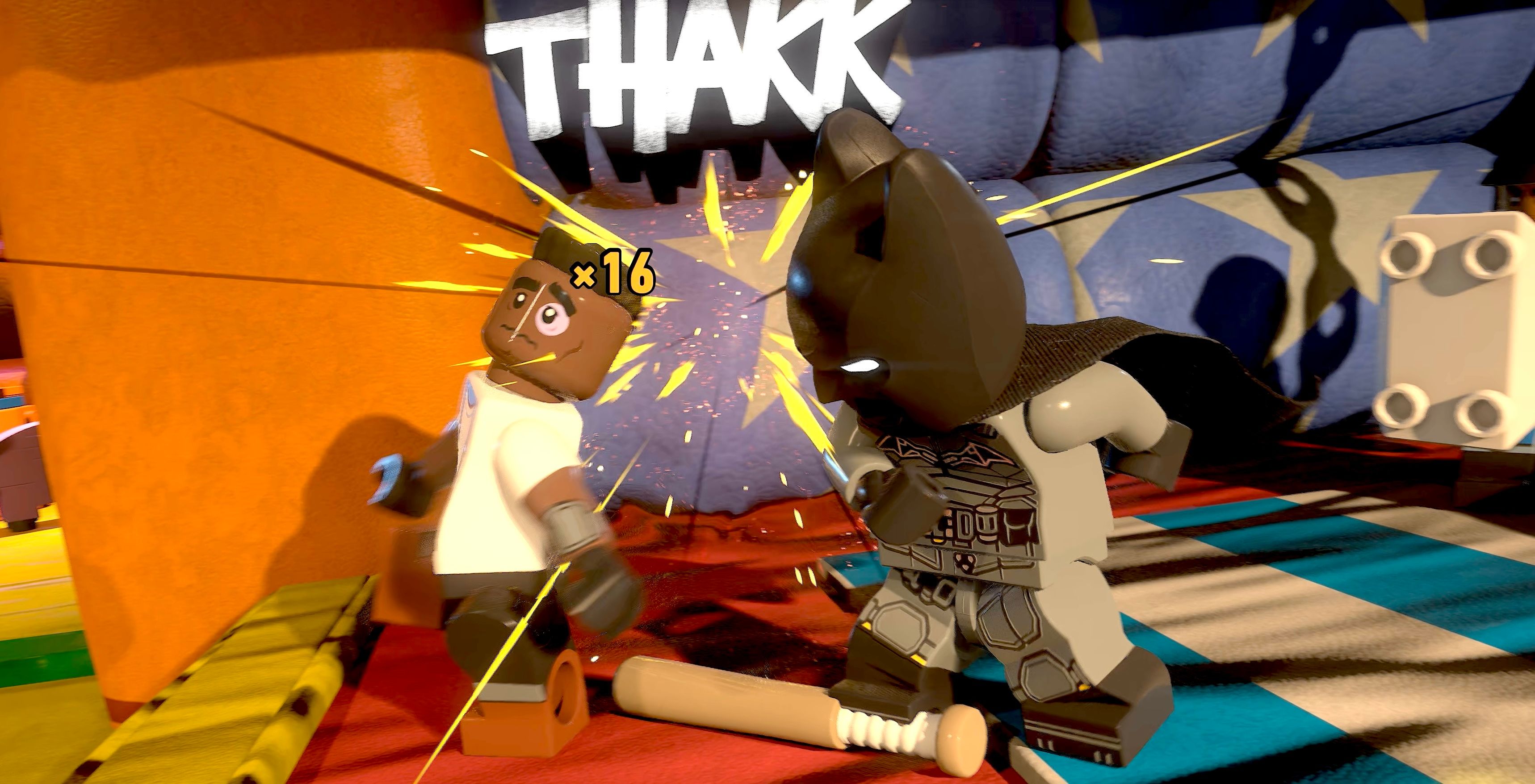
Lego Batman: The Videogame's upcoming Dark Knight mode will deliver genuine challenge for adult players, according to the development team. The new difficulty setting draws inspiration from Christopher Nolan's grounded trilogy, Tim Burton's Gothic aesthetic, and Matt Reeves' recent Robert Pattinson film to craft a darker, more demanding experience.
Rather than simply increasing enemy health pools, Dark Knight mode fundamentally redesigns combat encounters and puzzle solutions. Developers confirmed the mode won't hold player hands through sequences, eliminating tutorial prompts and objective markers that define standard Lego games. Enemy patterns become more aggressive, and environmental hazards punish careless movement.
The team designed Dark Knight specifically to address longtime player feedback about Lego games feeling too easy at higher skill levels. Adult fans who've completed dozens of Lego titles will find real obstacles here. Puzzles require genuine problem-solving rather than trial-and-error button mashing. Boss encounters feature complex attack patterns that demand pattern recognition and timing.
The design pulls tonal cues from its Batman influences. Nolan's realistic approach informs encounter design that eliminates arcade-style lenience. Burton's visual language shapes the darker environmental storytelling. Pattinson's grittier take influences character animations and combat responsiveness.
Lego Batman: The Videogame releases across PlayStation, Xbox, Nintendo Switch, and PC. This marks a significant shift for the long-running Lego franchise, which historically targets younger audiences while offering surface-level appeal for adults. The Dark Knight mode signals the studio recognizes its player base has aged alongside the property.
The competitive gaming landscape has shifted toward accessibility across skill levels, but Lego's approach here reverses course by explicitly catering to veteran players seeking actual resistance. This could establish a template for other Lego titles to follow, potentially fragmenting the franchise audience between family