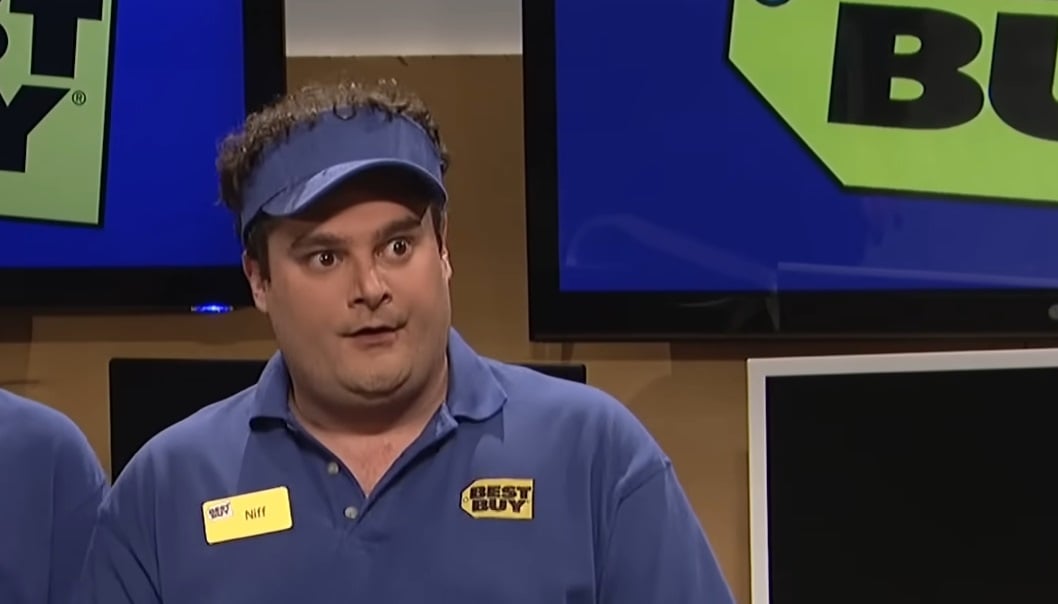
California Governor Gavin Newsom made an oddly antiquated comment about video game sales tax during a recent appearance, suggesting he believes physical game copies at Best Buy constitute "prewritten software" subject to state taxes.
Newsom's remark reveals a fundamental misunderstanding of how the gaming market operates today. Most games sold at retail are physical media, not prewritten software in the taxable sense. The distinction matters legally and economically. Physical game cartridges and discs function as tangible products, not software licenses, which shapes their tax classification across most states.
The governor's confusion highlights a broader policy gap. State tax codes haven't kept pace with digital distribution. While physical games at Best Buy have been taxed as retail goods for decades, digital purchases through Steam, PlayStation Network, and Xbox Game Pass occupy murkier legal territory. Some states tax digital games as software, others don't. California's approach remains inconsistent.
This matters because the gaming industry generates billions in annual revenue, and tax policy directly affects pricing and consumer purchasing decisions. If states begin aggressively classifying digital game sales as taxable software, it could reshape how publishers price releases and market across regions.
Best Buy itself has become a relic in gaming retail. The chain still moves physical copies, but digital storefronts dominate sales. Newsom's reference to buying games there suggests he hasn't tracked how gaming distribution changed over the past two decades. Game Pass subscriptions, digital storefronts, and day-one digital releases now drive the market.
His comment underscores how policy makers lag behind industry realities. Tax code updates require understanding what actually sells and how. Treating 2026 game retail like 2004 creates confused regulations that don't address real problems or opportunities.