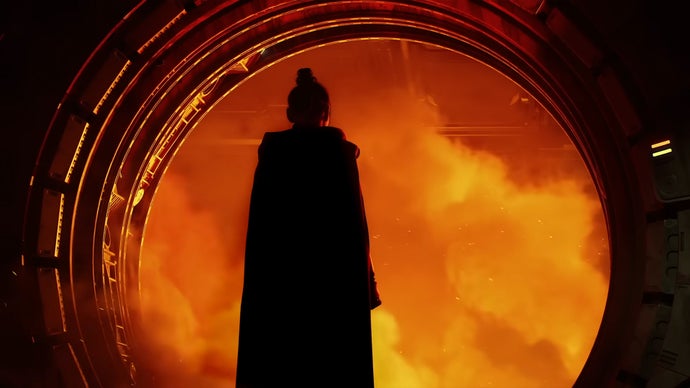
Casey Hudson, director of Mass Effect and the original Knights of the Old Republic, is steering the upcoming Star Wars: Fate of the Old Republic away from AI-generated content. Speaking bluntly about the technology's role in game development, Hudson stated "I just find AI to be creatively soulless."
The project, announced last December as a spiritual successor to BioWare's legendary 2003 KOTOR, represents Hudson's return to Star Wars storytelling after nearly two decades. Hudson founded Humanoid Studios to lead development on this new narrative-driven RPG, which aims to recapture the character-focused storytelling that made the original KOTOR resonate with players.
Hudson's position places him firmly against the industry trend of integrating generative AI into production pipelines. While major studios explore AI for asset generation, dialogue, and code optimization, Hudson's statement signals that Humanoid Studios will prioritize human creativity for the core creative work on Fate of the Old Republic.
This stance carries weight in the current market. Player sentiment around AI in games runs hot. Gamers have criticized studios like Embracer Group for laying off artists while investing in AI tools. Meanwhile, voice actors have unionized specifically to combat AI voice replication without consent. Hudson's declaration likely resonates with the hardcore RPG audience that made KOTOR a classic.
The reveal trailer, released purely for hype and recruitment purposes, offered minimal gameplay details. Full development is still early. But Hudson's explicit rejection of AI as a creative tool suggests Humanoid Studios intends to differentiate Fate of the Old Republic through handcrafted writing, character design, and world-building. That philosophy could become a selling point as player skepticism toward generative content deepens.
For a game banking on narrative depth and player choice, the traditional approach may prove commercially smart. KOTOR succeeded on story, companion