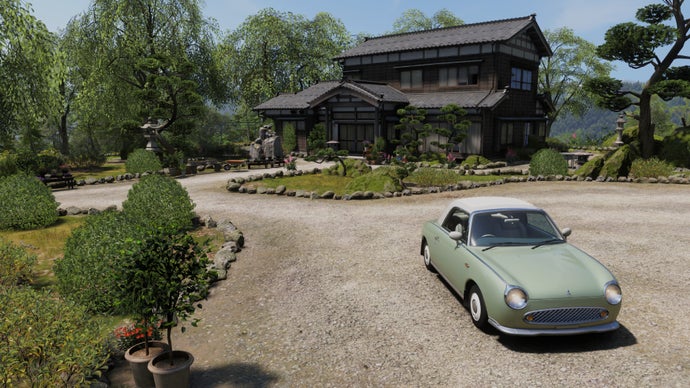
Forza Horizon 6 trades the series' signature driveway customization for structured custom garages, and players are noticing the loss. In previous entries, particularly Forza Horizon 5 set in Mexico, tweaking your Ferrari 250 California or Reliant Supervan happened in atmospheric locations. You'd work on your car while waves lapped against the shore or a desert sun beat down overhead. Those moments created immersion that sterile garage interiors simply don't replicate.
The shift to dedicated garages streamlines the customization experience. Players access their vehicle modifications faster without traversing the open world. For efficiency-focused players, this works. For those who savored the atmosphere of tinkering with motors in stunning environments, something intangible vanished.
Forza Horizon 6 prioritizes UI clarity and accessibility over environmental storytelling. Garages offer better visibility for tuning setups and painting jobs. You navigate menus more efficiently. But efficiency trades away personality. The driveway system forced you to inhabit your world. You existed in Mexico, not in a void.
This design philosophy reflects broader industry trends. Modern racing sims increasingly abstract customization into menu-driven systems. Gran Turismo 7 and Assetto Corsa Competizione do the same. The trade-off: faster iteration but diminished presence.
Playground Games built Forza Horizon 5 specifically to celebrate Mexican culture and landscape. Customizing cars there felt purposeful. In Forza Horizon 6's transition to structured garages, that environmental specificity disappears. You're no longer tinkering with a motor in a place. You're tinkering in a system.
The criticism points to something broader about live-service game design. Optimization often comes at the expense of immersion. Faster menus serve engagement