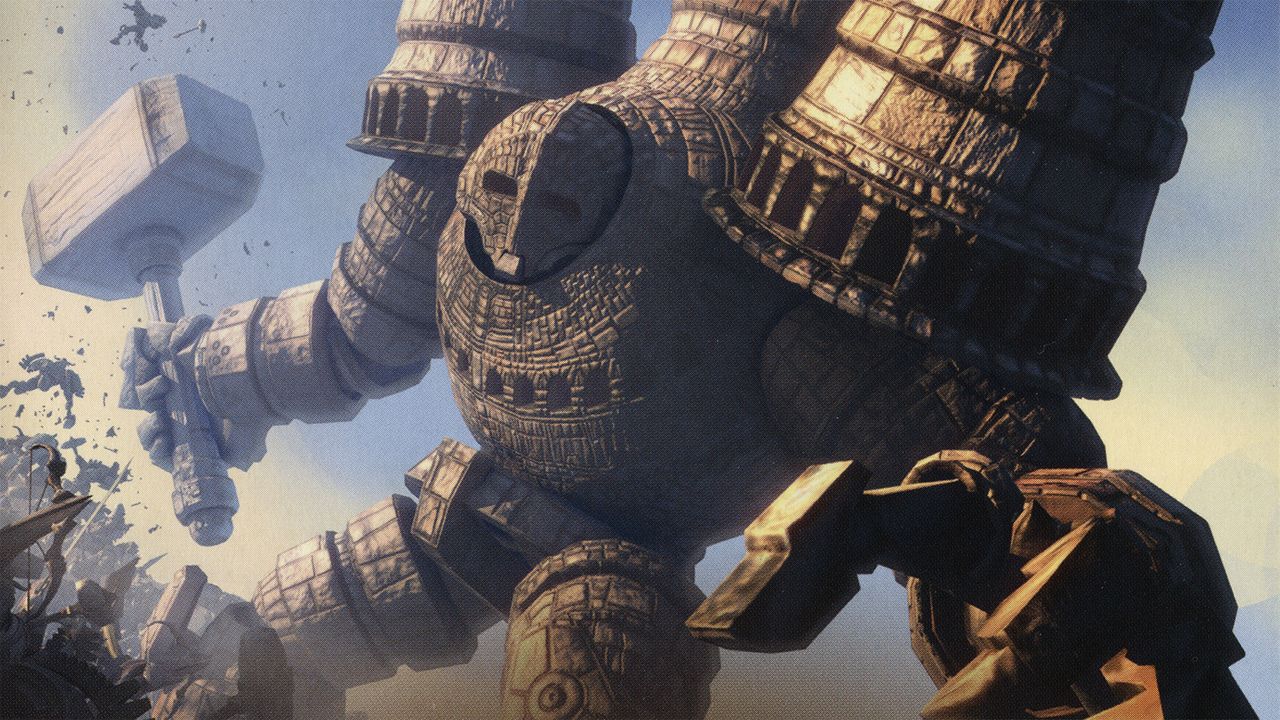
Gas Powered Games' Demigod arrived in 2009 as an ambitious real-time strategy action hybrid that asked players to prove themselves worthy of godhood. The premise was straightforward. Eight demigods competed for a vacant divine seat, each commanding armies while leveling up individually across dynamic maps.
The game blended MOBA-like progression with traditional RTS mechanics years before that genre solidified. Players controlled a single powerful unit alongside spawned troops, creating a tactical middle ground between pure strategy and action games. You managed resource gathering, unit production, and base defense while your demigod character grew stronger through kills and objectives.
Demigod launched on PC as an online-focused title with several playable demigods, each with distinct abilities and playstyles. Multiplayer matches emphasized competitive 3v3 and 4v4 scenarios where team coordination determined victory. The blend of personal skill expression and strategic depth appealed to players seeking something different from standard RTS titles like StarCraft or WarCraft III.
The game's art direction drew heavily from classical mythology. Character designs felt appropriately godlike, with elaborate armor and supernatural visual effects. Maps incorporated environmental variety that influenced tactical decisions, rewarding positional awareness alongside mechanical execution.
However, Demigod faced technical challenges at launch. Server stability issues and matchmaking problems plagued early players, creating friction in what should have been smooth online experiences. These infrastructure problems undermined the multiplayer focus, though dedicated players pushed through.
The game occupied an interesting space in 2009's strategy landscape. It predated League of Legends and Defense of the Ancients 2 by years, sitting at the intersection of emerging MOBA mechanics and established RTS conventions. While it didn't achieve mainstream success, Demigod influenced how designers thought about blending genres and single-unit control within team-based gameplay