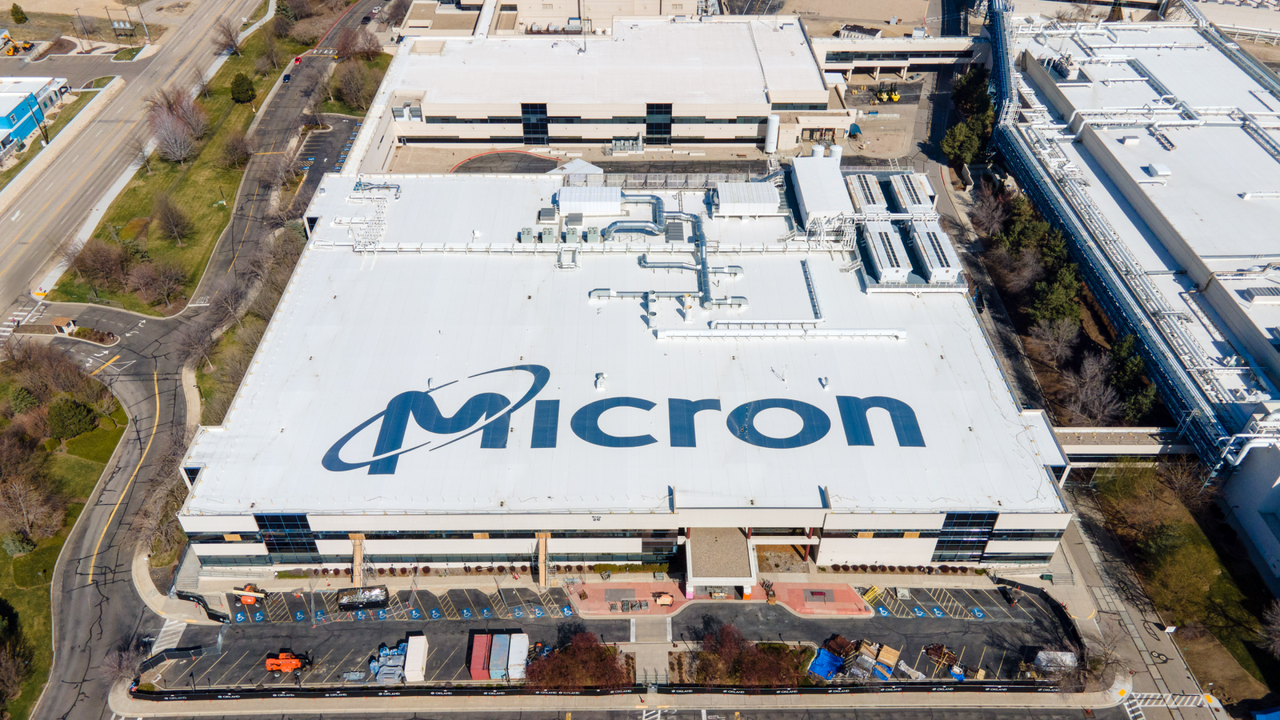
Micron Technology has unveiled a 256 GB memory module designed specifically for AI server infrastructure, pushing the boundaries of data center memory capacity. The new module delivers speeds up to 9,200 megatransfers per second, positioning it for enterprise and cloud computing environments handling massive machine learning workloads.
The announcement underscores a widening gap between consumer and enterprise memory markets. While PC gamers and enthusiasts struggle to source affordable 16 GB RAM modules, chipmakers are rapidly scaling production toward gigantic server-grade components. This reflects genuine market demand. AI training and inference require enormous memory pools to process billions of parameters simultaneously. Companies like OpenAI, Google, and Meta are consuming memory at scales consumer markets cannot fathom.
Micron's move signals confidence in sustained AI infrastructure spending. Data centers worldwide are racing to expand capacity for generative AI services. The company is betting heavily that enterprises will pay premium prices for these specialized modules rather than stacking consumer-grade memory.
The speed specification matters here. 9,200 megatransfers per second enables faster data movement between processors and memory, reducing bottlenecks in compute-intensive operations. For AI workloads where throughput directly impacts model training speed, this performance tier justifies enterprise budgets.
This announcement reflects broader industry consolidation around AI infrastructure. Nvidia dominates GPU supply for AI, while memory manufacturers like Micron, SK Hynix, and Samsung focus on complementary components. These players profit enormously from the AI boom while consumer PC components face supply constraints and pricing pressure.
For gamers and builders, this development carries an uncomfortable message. Memory manufacturers are optimizing for higher margins in enterprise markets. Consumer-grade memory remains less profitable, meaning retail availability and pricing improvements may not arrive soon. The 256 GB modules Micron showcases will cost thousands. The 16 GB sticks gaming