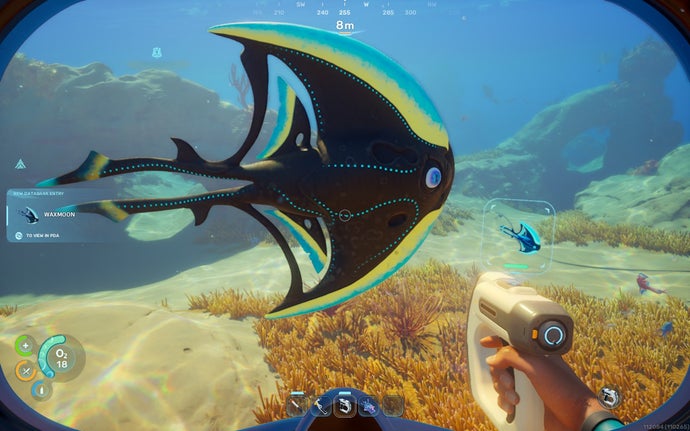
Unknown Worlds Entertainment launches Subnautica 2 into early access today, fully aware that players expecting a near-finished product will find an incomplete game. The studio learned this lesson hard during the original Subnautica's four-year early access run from 2014 to 2018.
The first Subnautica was rough when it hit early access. Players experienced broken mechanics, missing content, and entire systems that needed rebuilding. Unknown Worlds added biomes, features, and polish gradually alongside the community. That iterative approach worked, but the studio knew it faced backlash.
Subnautica 2 arrives polished enough to fool some players into thinking it's finished. The team deliberately launched when the game felt like a solid product, not when it was complete. This choice reflects confidence in the early access model itself. Players get meaningful exploration, base-building, and survival mechanics now. The developers get feedback on what matters most to the community before investing resources in final content.
The catch: Subnautica 2 is missing planned features, biomes, and story content. Unknown Worlds expects criticism for this. The studio has to balance player expectations against development reality. Release too unfinished and players revolt. Release too polished and players expect completion around the corner. Unknown Worlds found the middle ground.
This early access strategy differs sharply from how many studios handle it. Too many games launch in early access genuinely broken, treating players as unpaid testers. Unknown Worlds actually ships something players can sink 40 hours into while development continues. The original Subnautica proved this works. Players stayed engaged, bought the full version when it launched, and defended the game's design decisions.
Subnautica 2's early access debut tests whether that success repeats. Deep sea exploration games have limited competition. The first game established