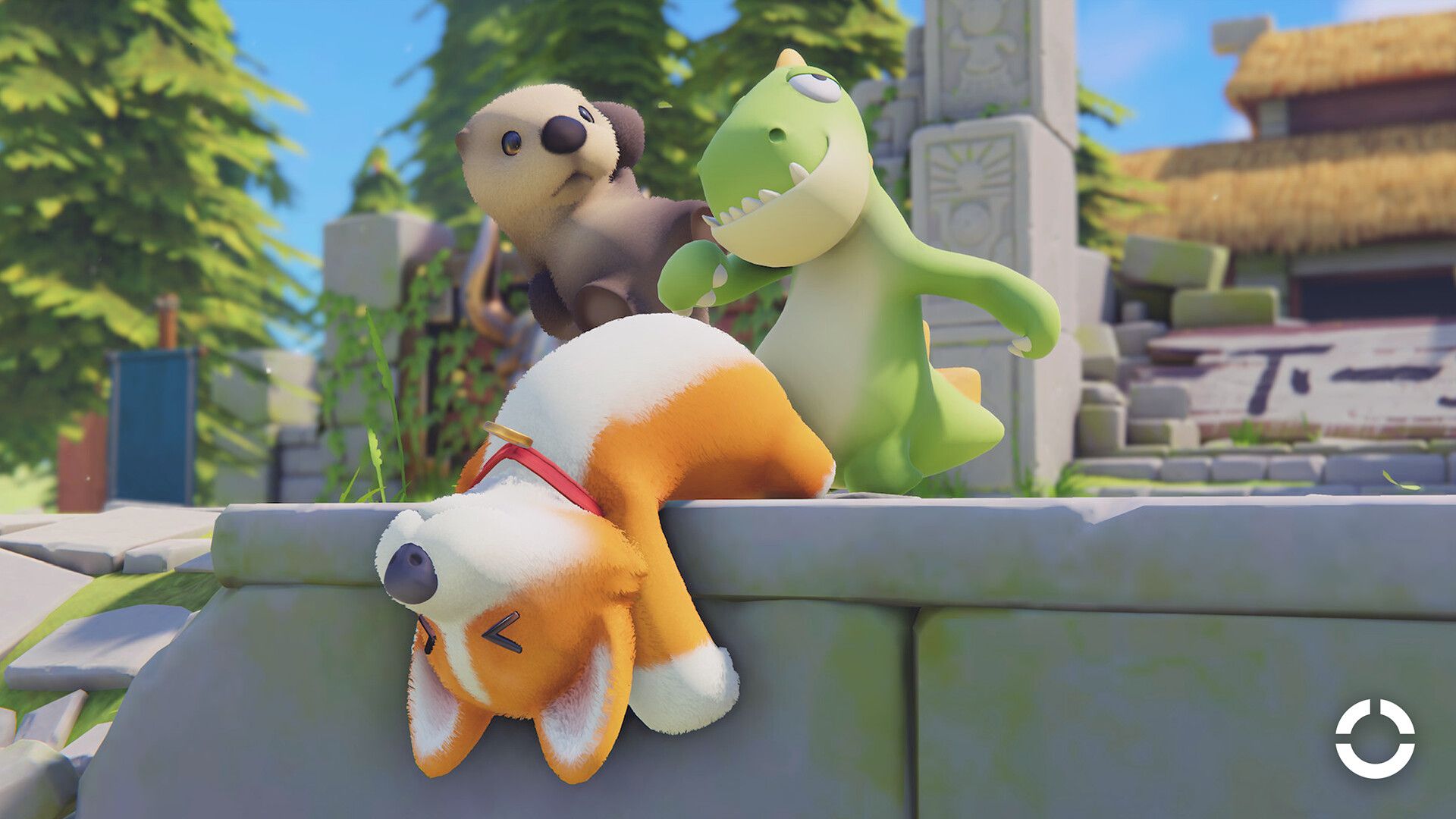
Party Animals developer Recreate Games announced a video contest requiring participants to use generative AI tools to create content. The announcement sparked immediate backlash from the community, who view the mandatory AI requirement as exploitative and contrary to creative integrity.
Players flooded the game's Steam page with negative reviews in protest. The review bombing reflects broader industry tension around AI integration in gaming. Many players resist seeing AI-generated content associated with their favorite titles, viewing it as a threat to human creators and artistic authenticity.
Recreate Games positioned the contest as forward-thinking and accessible to players without professional video creation skills. The studio framed AI as a democratizing tool. That framing backfired spectacularly. The community interpreted it differently. Players saw the contest as promoting AI at the expense of human artists and streamers who might have competed with traditional methods.
Party Animals, a couch multiplayer party game available on PC and PlayStation, had maintained solid player goodwill since launch. The AI contest announcement damaged that reputation quickly. The scale and speed of the review bombing demonstrated how sensitive gaming communities remain about generative AI integration.
This incident follows similar backlash against other studios implementing AI tools. The gaming industry faces growing player resistance to AI adoption, regardless of how companies frame the technology's benefits. Developers pushing AI features without community buy-in continue to face organized pushback through review bombing and social media campaigns.
Recreate Games has not clarified whether it plans to modify the contest requirements or address community concerns directly. The review bombing shows that announcing AI initiatives requires careful messaging and community engagement. Players increasingly demand transparency about how AI gets implemented and whether human creators remain valued within gaming ecosystems.