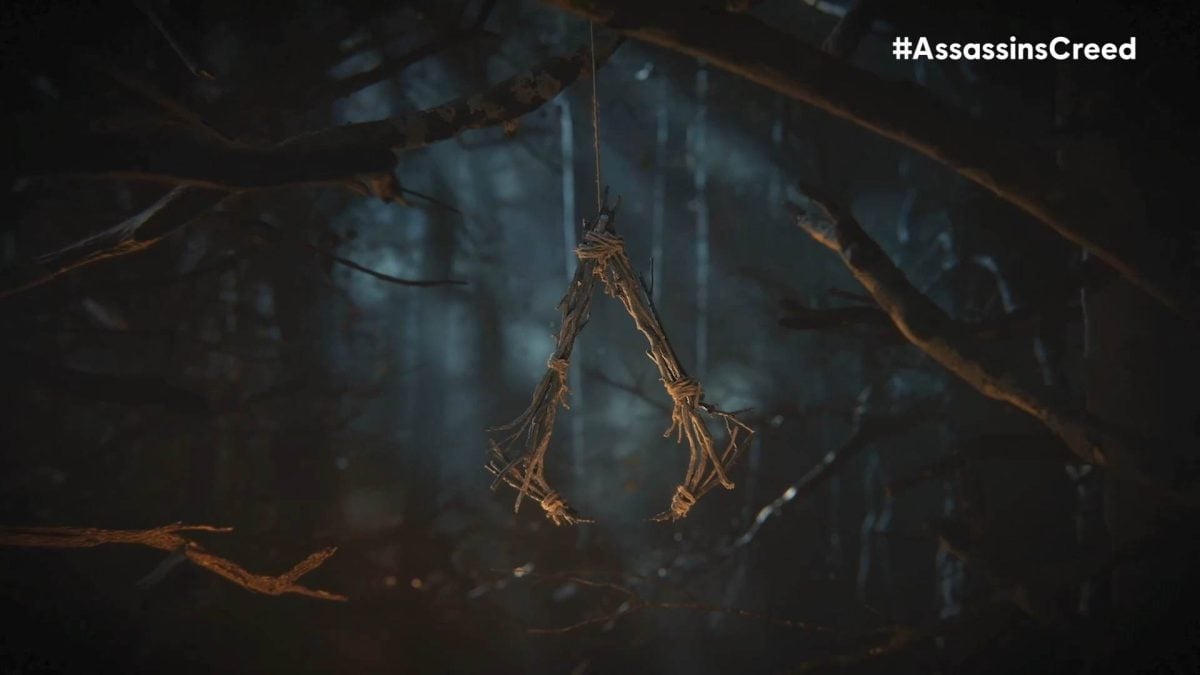
Ubisoft is leveraging Assassin's Creed's most successful recent formula to shore up confidence in Hexe, the upcoming entry in the long-running stealth franchise. The studio plans to bring back elements that resonated with players during the RPG-heavy era that defined Origins, Odyssey, and Valhalla.
Hexe represents a notable shift in direction for the series. Ubisoft initially positioned it as a departure from the bloated RPG structure that defined the last three mainline entries. The developer promised a leaner, more focused experience centered on supernatural witch-hunting in 16th century Germany. However, player skepticism around Assassin's Creed's current trajectory appears to have influenced development strategy.
Rather than completely abandoning the RPG mechanics that built engagement (and monetization) during the Valhalla era, Ubisoft is now blending old-school Assassin's Creed design with elements players actually enjoyed from the trilogy. This signals the publisher heard feedback criticizing excessive padding, convoluted progression systems, and bloated campaign structures. The compromise attempts to preserve depth while trimming excess.
The supernatural angle remains Hexe's core draw. A witch-hunting narrative set in a historical European setting offers thematic freshness the franchise desperately needs. Pairing that with proven mechanical frameworks from Origins and Odyssey gives Ubisoft confidence in player retention and live-service potential.
This strategy reflects broader industry trends. Single-player action franchises increasingly struggle when they veer too far from what audiences recognize. Valhalla's mixed reception demonstrated that even Assassin's Creed's brand recognition has limits. Adding back legacy systems that performed well commercially suggests Ubisoft wants Hexe to feel familiar enough for veterans while maintaining the narrative hooks that attracted newer players.
The reveal hints at U