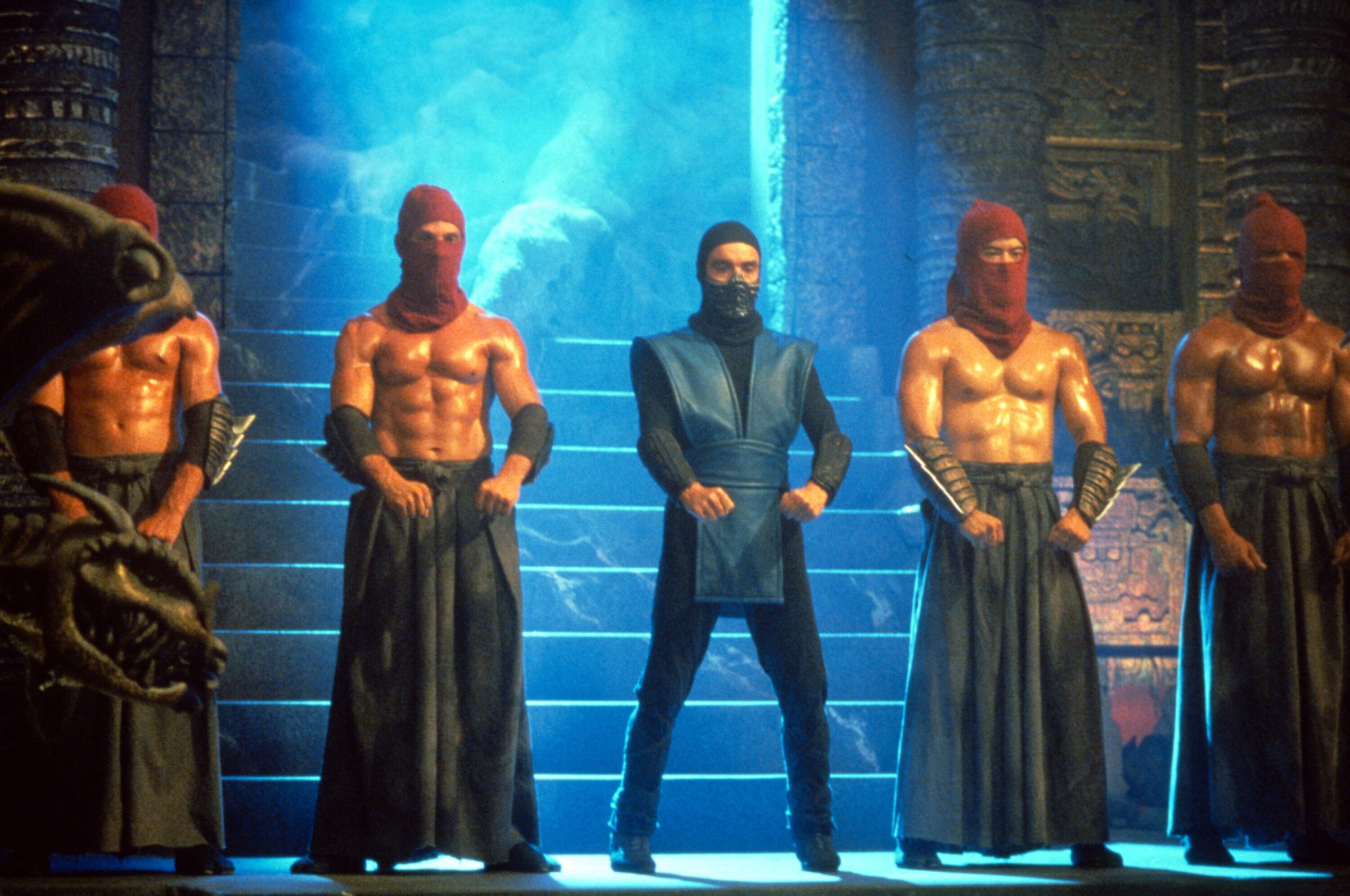
The 1995 Mortal Kombat film remains the gold standard for video game adaptations, a distinction it has largely maintained over three decades. That film succeeded where most game-to-screen translations fail: it honored the source material while crafting a narrative that worked as standalone cinema. The movie captured the tournament concept, the roster of fighters, and the aesthetic grit of the arcade game without drowning in exposition or fan service.
Most Mortal Kombat games prioritize spectacle and mechanical depth. They excel at delivering brutal combat and visual impact through gameplay systems. The 1995 film, however, prioritized character stakes and dramatic tension. It made players care about Liu Kang, Sonya Blade, and Johnny Cage as people, not just fighting archetypes. That human element transcended the game's mechanics and reached mainstream audiences who had never touched a joystick.
The recent Mortal Kombat film reboot (2021) and its sequel attempt to recapture this formula. Both lean into practical effects, international fight choreography, and character development alongside the spectacle. Director Simon McQuoid treats the material with seriousness, avoiding the self-aware camp that undermined other video game adaptations like the 1993 Street Fighter film.
What separates the original 1995 film from most Mortal Kombat games is narrative restraint. Games in the franchise often burden themselves with sprawling plots, multiple timeline jumps, and Byzantine lore accumulated across 30 years of releases. The movie simplified the mythology. It focused on a handful of characters facing genuine danger at the Shaolin tournament, giving players and viewers clear emotional investment.
Mortal Kombat 2 now carries the weight of proving that quality video game adaptations aren't flukes. The film industry has learned that respecting source material matters. Games like