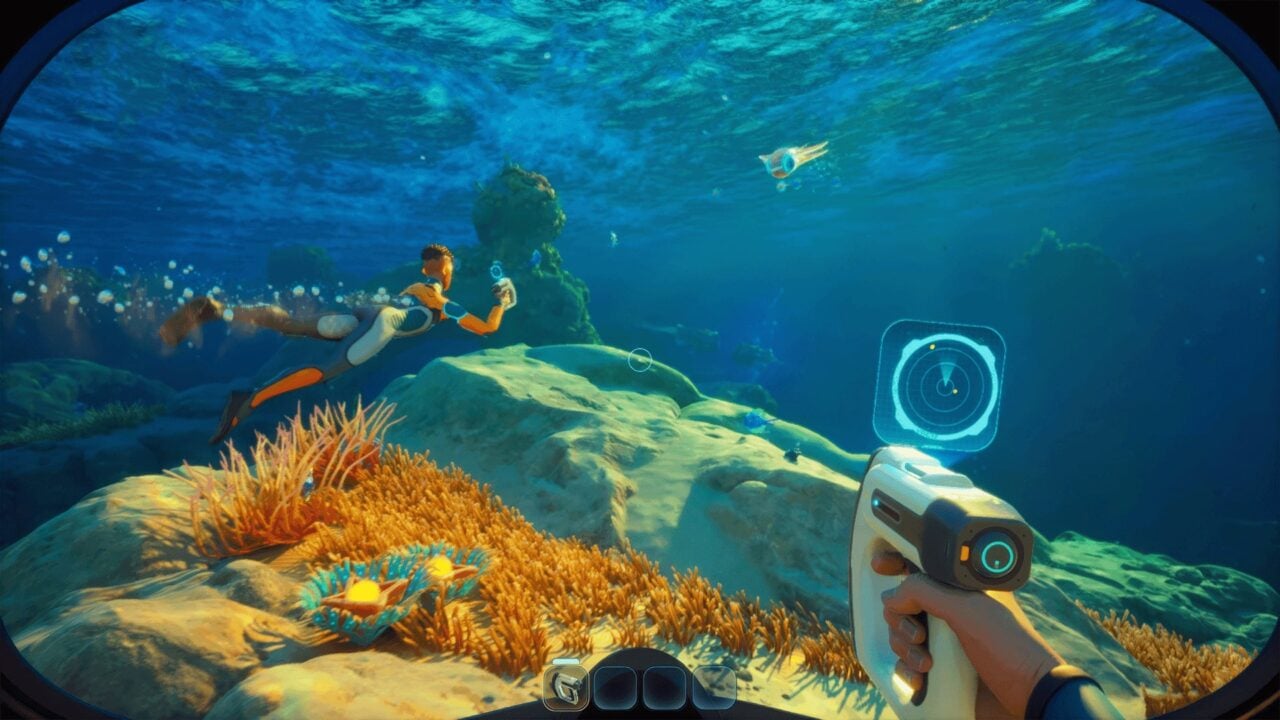
Subnautica 2 became the latest major release to leak ahead of its official launch window. Unknown Worlds Entertainment's sequel surfaced on the internet days before the developer planned to make it available, joining a growing list of high-profile games that have faced pre-release breaches in recent months.
The leak appears to have originated from early access copies distributed before the game's intended public availability. Subnautica 2 operates under an Early Access model on Steam, meaning the developer staggered access to select players before a broader rollout. The leaked build circulated online, giving players unauthorized access to content Unknown Worlds had not yet officially released to the general audience.
This incident reflects an ongoing problem plaguing the industry. Major titles including Dragon Age The Veilguard, Metaphor ReFantazio, Indiana Jones and the Great Circle, and Final Fantasy VII Rebirth all suffered similar leaks before launch. The frequency of these breaches has raised questions about how studios distribute pre-release copies and manage security around unreleased content.
Unknown Worlds has not publicly confirmed specific details about the Subnautica 2 leak or its scope. The studio previously indicated the game would enter Early Access on Steam before receiving a full release. The leak complicates that rollout, potentially undercutting the momentum the developer hoped to build during the planned early access window.
For developers, early access represents both opportunity and risk. It allows studios to gather feedback from dedicated players while generating revenue and maintaining player engagement throughout development. However, distributing access to thousands of reviewers, press, and early participants dramatically increases exposure risk. One compromised copy or careless player can expose confidential builds to the entire internet within hours.
The pattern suggests studios may need to reconsider their distribution strategies. Stricter access controls, watermarking, and tighter reviewer embargoes offer potential solutions