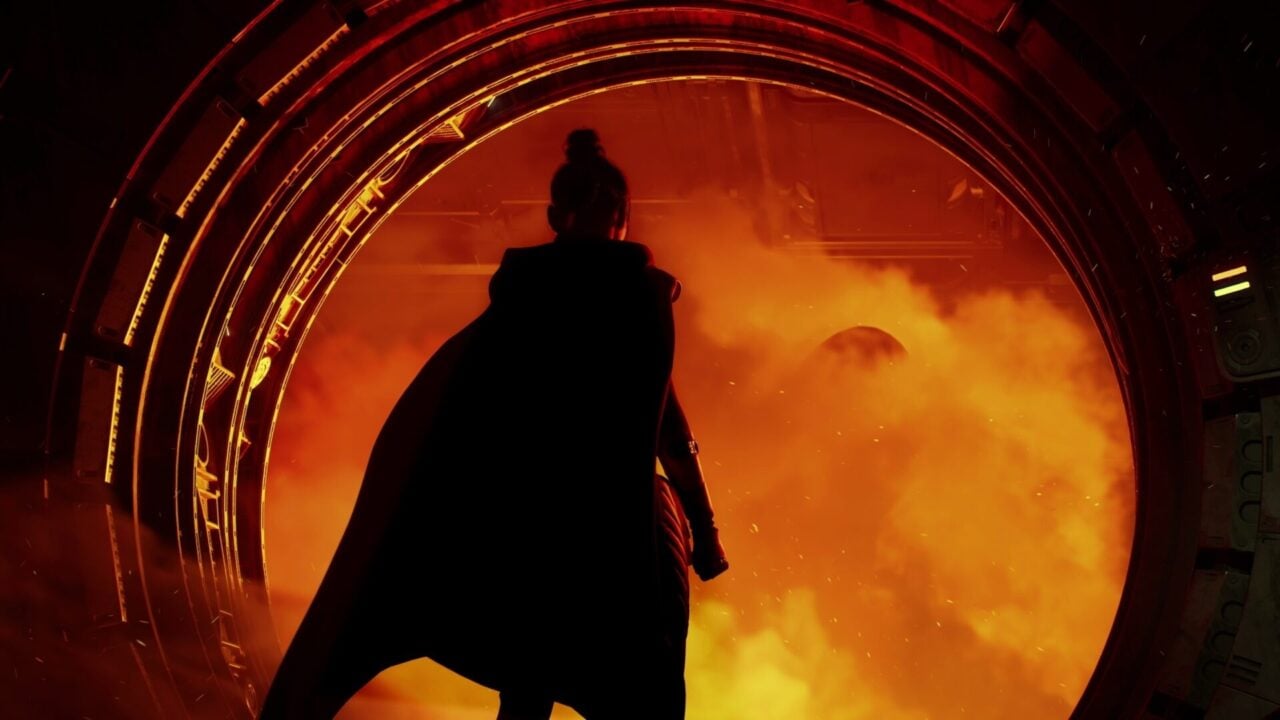
Casey Hudson, director of Star Wars: The Old Republic spiritual successor Fate of the Old Republic, has pushed back against bloated game design and AI-generated content in a new statement.
Hudson explicitly rejected the trend of 200-hour gameplay loops that dominate modern RPGs. He positioned Fate of the Old Republic as a leaner experience focused on quality storytelling rather than padding. This stance directly challenges the industry norm set by games like Baldur's Gate 3 and Dragon's Age: The Veilguard, both massive narrative RPGs that demand substantial time commitments from players.
The director also addressed generative AI, calling out "creatively soulless" approaches to content creation. Hudson committed to human-authored writing and design for the project. This public stance matters given the gaming industry's recent embrace of AI tools for asset generation and dialogue. Major publishers have quietly integrated AI into production pipelines, sparking ongoing backlash from developers and players alike.
Hudson's comments suggest Obsidian Entertainment intends to differentiate Fate of the Old Republic through focused narrative design and human creativity. The project, announced in 2023, builds on the legacy of Knights of the Old Republic, a beloved 2003 BioWare title that established the foundation for The Old Republic's extended universe.
The industry has seen mounting fatigue with 100-plus hour games that sacrifice pacing for content volume. Palworld, Helldivers 2, and Dragon's Dogma 2 succeeded by offering tighter experiences or better-designed time-to-reward loops. Hudson's messaging aligns with this shift toward respecting player time.
By publicly rejecting AI and bloat, Hudson positions Fate of the Old Republic as a counter to current trends. Whether players respond positively depends on execution. A focused, narratively strong Star Wars RPG could succeed where competitors have stum