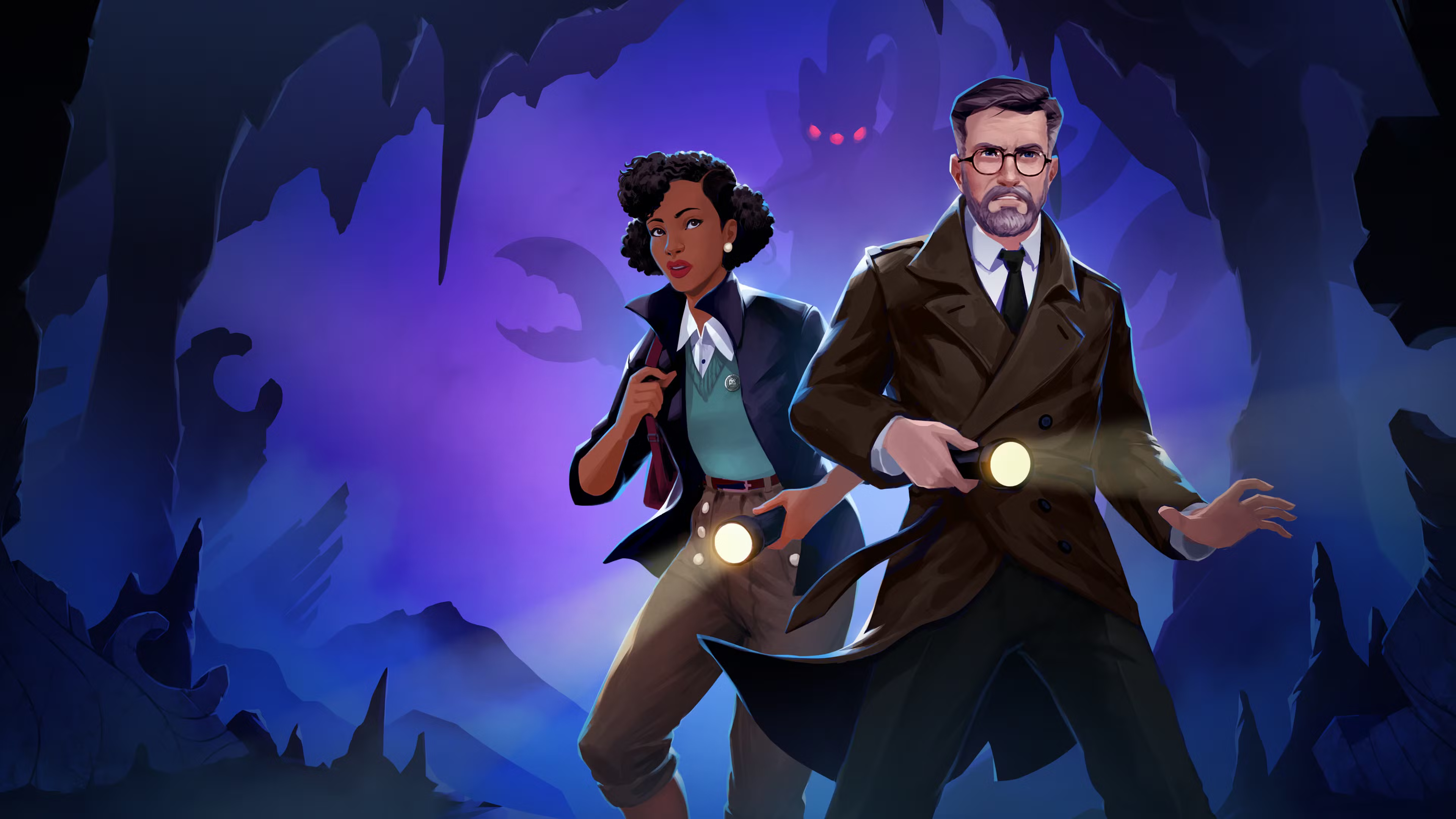
Polygon touts Call of the Elder Gods as the standout addition to Xbox Game Pass, marking developer Out of the Blue's follow-up to 2020's Call of the Sea. The studio doubles down on puzzle-driven gameplay with elevated ambition this time around.
Call of the Sea established Out of the Blue's strength in crafting cerebral mysteries wrapped in atmospheric storytelling. Call of the Elder Gods expands that formula. The sequel pushes puzzle complexity further while maintaining the narrative focus that made its predecessor resonate with players seeking something beyond combat-heavy experiences.
Game Pass acquisition of Call of the Elder Gods gives Microsoft's subscription service another title targeting the growing audience for indie-adjacent, story-driven games. The platform has become a draw for players interested in diverse genres beyond the usual AAA blockbusters. Adding a respected puzzle game from an established indie studio reinforces that positioning.
Out of the Blue's approach differs sharply from action-oriented releases flooding the market. The studio prioritizes environmental storytelling and logical problem-solving, elements that reward player patience and observation. This positions Call of the Elder Gods for an audience burnt out on conventional gameplay loops.
Polygon's recommendation carries weight in the gaming press ecosystem. The outlet reaches players making subscription decisions and influences perception of Game Pass value. A positive endorsement from such a source can drive discoverability for titles that might otherwise get buried in the service's library.
Call of the Elder Gods lands during a period when puzzle and narrative games find stronger commercial footing. Titles like The Witness and Return of the Obra Dinn proved players embrace games built around intellectual challenges. Out of the Blue's sequel arrives at a moment when that audience has only grown.
The broader takeaway shows Game Pass continuing to diversify its catalog beyond first-party productions and blockbuster ports. Microsoft's strategy of acquiring varied experiences—particularly indie and mid-tier games—creates