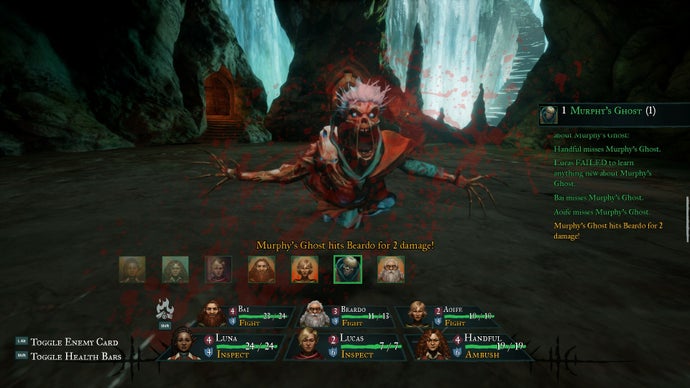
Atari and Japanese publisher Drecom now both claim ownership of the foundational Wizardry RPG series, creating an unusual split custody arrangement over one of gaming's most historically important franchises.
Atari announced acquisition of rights to the first five Wizardry games plus their underlying IP, with plans to re-release those titles on modern platforms. Drecom, meanwhile, holds the copyright and trademark rights to the broader Wizardry property after purchasing them previously. This competing ownership structure leaves the 40-year-old series, which helped codify RPG mechanics and design, in legal limbo.
The Wizardry franchise originated in 1981 and established genre conventions that influenced countless games across decades. Dragon's Quest, Ultima, and modern dungeon crawlers all trace lineage back to Wizardry's first-person party-based gameplay and dungeon exploration systems. The series remained active through multiple publishers and platforms, eventually falling into relative obscurity as newer franchises dominated.
This split ownership complicates any unified re-release strategy or new development. Atari's relaunch of the first five games represents an attempt to capitalize on retro gaming interest and introduce classic RPGs to modern audiences on current hardware. However, Drecom's trademark and copyright control could restrict how extensively Atari can modify, market, or expand upon these titles.
The arrangement reflects broader industry complications around legacy IP ownership. Software licenses, corporate acquisitions, and regional rights transfers often fragment control of older properties. Unlike clear ownership transfers, this situation leaves both parties with legitimate but overlapping claims.
Whether this custody split persists or resolves through negotiation remains unclear. For players, the immediate impact means simultaneous efforts to preserve Wizardry's legacy through competing commercial entities. For the industry, it underscores how foundational franchises can become entangled in complicated licensing disputes