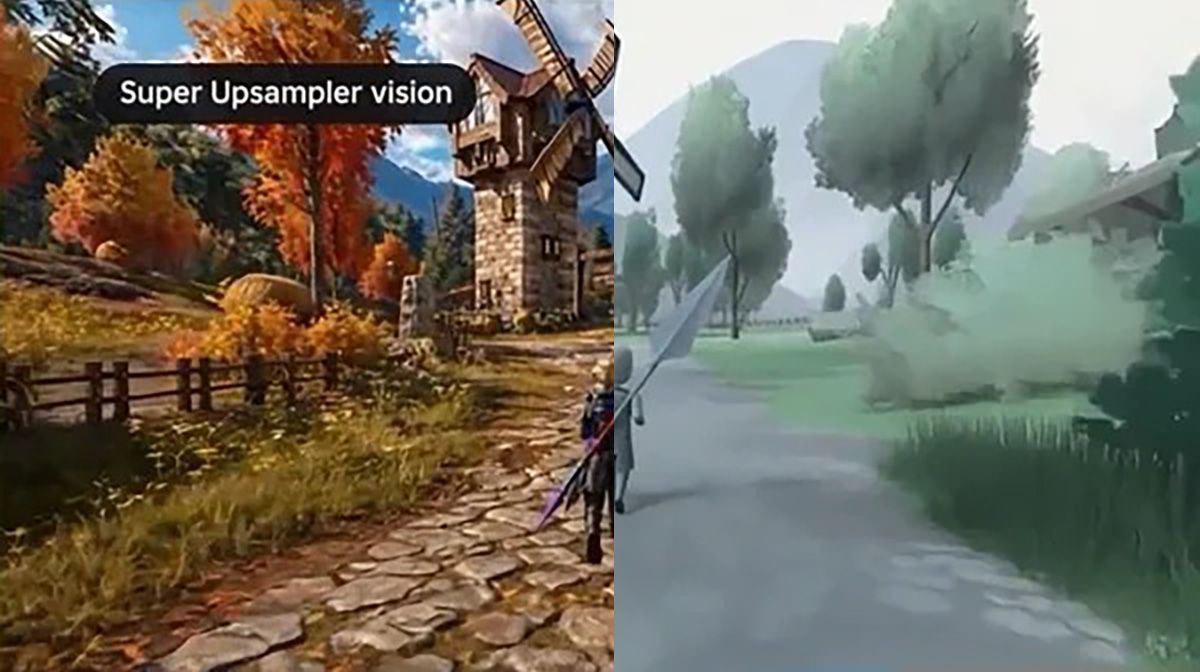
Roblox is pushing AI-generated photorealistic graphics as the future of its platform, but independent developers building games on the service remain skeptical about the technology's appeal to players.
The platform's leadership believes AI can democratize high-end graphics production, enabling smaller studios to create visually sophisticated experiences without massive art budgets. However, creators point to games like 99 Nights in the Forest, which succeed precisely because of their distinctive, stylized aesthetics rather than photorealism. Players gravitate toward these titles for their unique art direction, not despite it.
Developers argue that the average Roblox player, largely composed of younger audiences, values personality and charm over raw graphical fidelity. Many successful titles on the platform succeed through strong art direction, memorable design, and gameplay rather than pushing visual limits. The concern is that an industry-wide shift toward photorealism could homogenize the platform's offerings and eliminate the visual variety that currently distinguishes individual games.
The disconnect reveals a fundamental tension within game development. Publishers and platform holders often assume players want cutting-edge graphics, but player behavior frequently tells a different story. Indie developers have repeatedly proven that strong art direction, coherent visual identity, and engaging gameplay outweigh graphical prowess in determining a game's success with audiences.
For Roblox specifically, the platform's identity has been built on accessible, creative games with distinctive visual styles. Forcing photorealism as a default aesthetic could alienate both the creators building on the platform and the players who enjoy its current diversity.
Roblox's AI initiative stems from legitimate constraints. Many developers on the platform lack the resources for complex art production. But the solution to resource limitations isn't necessarily photorealism. Better AI tools for stylization, procedural generation, and asset creation might serve developers better than pushing toward visual fidelity that neither creators nor players necessarily demand.