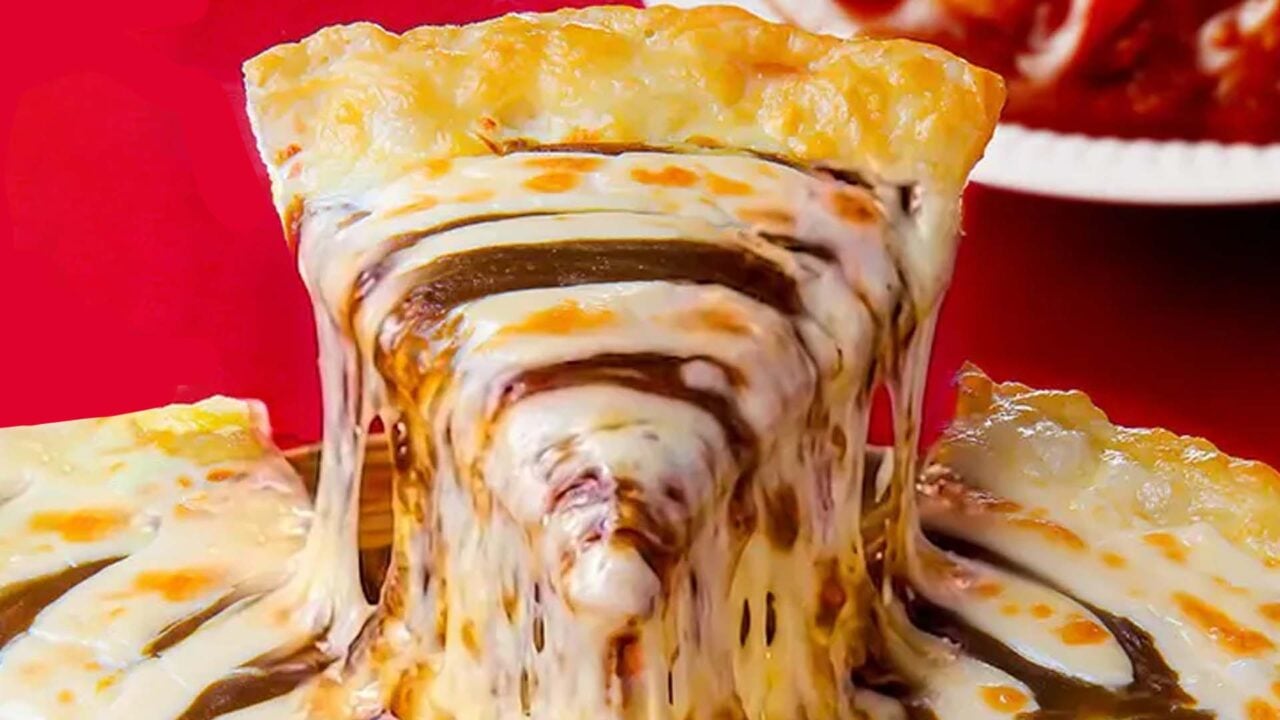
Pizza Hut has introduced a drinkable pizza beverage, marking another absurd milestone in food and beverage product development. The chain is selling what it describes as a liquid pizza experience, pushing the boundaries of what restaurants consider consumable content.
This move reflects a broader trend in QSR marketing. Major chains chase viral moments and social media engagement through novelty products rather than core menu innovation. Pizza Hut's drinkable offering follows similar stunts from competitors seeking TikTok attention and headline buzz.
The product itself combines pizza flavors into liquid form, targeting consumers willing to experiment with unconventional food experiences. Whether the beverage actually tastes like pizza or merely invokes pizza-adjacent flavors remains unclear, but the concept alone generates the attention Pizza Hut seeks.
For gamers and streamers, this falls into the broader category of content gold. Gaming communities have long latched onto ridiculous food products as meme material and streaming fodder. A drinkable pizza fits perfectly into that ecosystem of absurdity that resonates online.
The move raises questions about product development priorities at major chains. Instead of refining core offerings or addressing customer pain points, Pizza Hut invests resources in novelty beverages unlikely to sustain sales beyond initial curiosity purchases. This strategy works for short-term visibility but rarely translates to long-term revenue gains.
Pizza Hut's drinkable pizza exists in the same conceptual space as energy drink flavors, limited-edition fast food collaborations, and branded snack foods. Companies bank on impulse buying and social sharing rather than repeat purchases. The product life cycle typically runs weeks, not months.
For the gaming and streaming communities specifically, drinkable pizza represents peak content material. Streamers will inevitably try it on camera, reactions will vary from disgust to amusement, and clips will circulate across platforms.