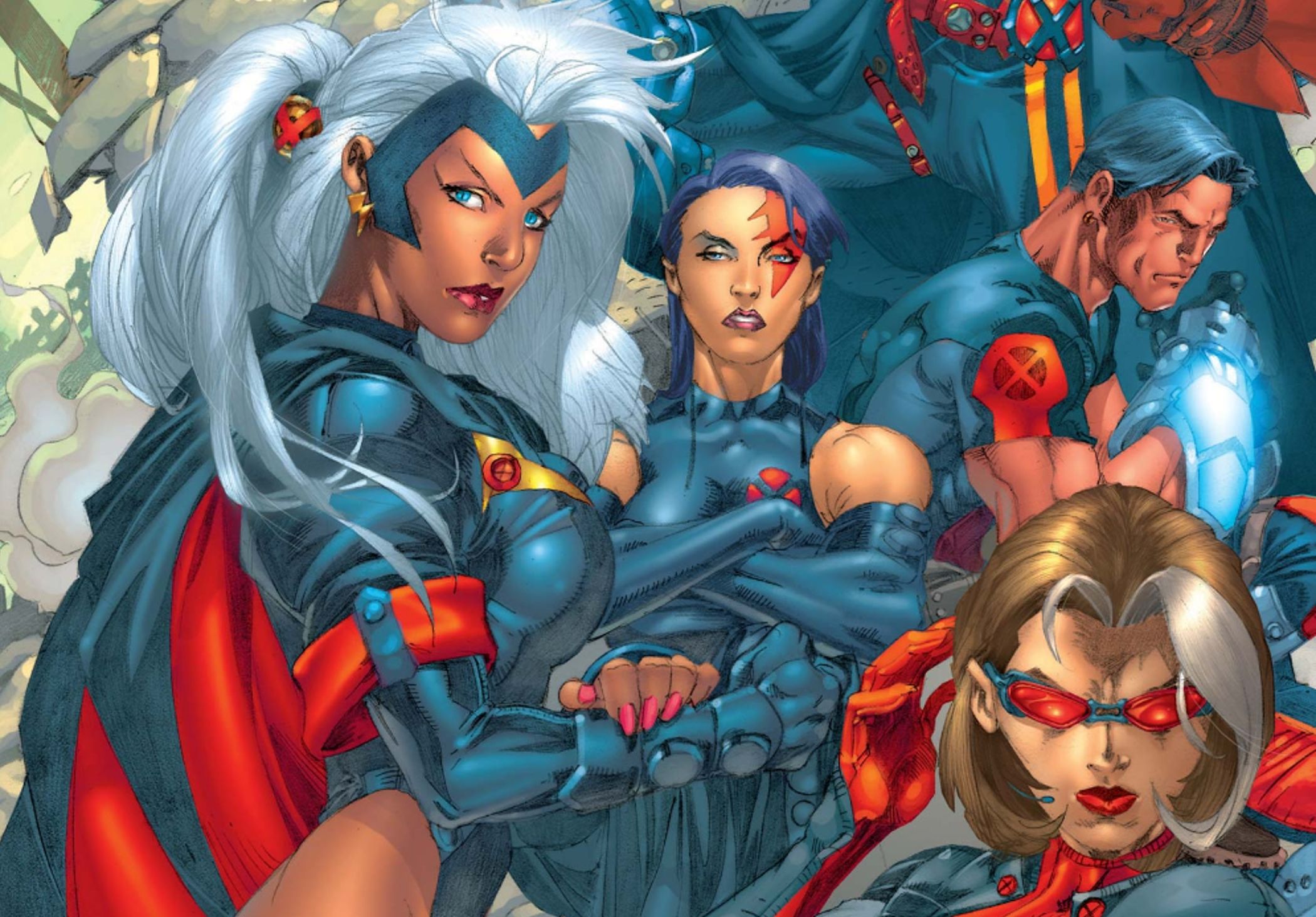
Chris Claremont's 2001 X-Men run delivered one of the most bizarre entries in the franchise's catalog. The legendary writer, who shaped modern X-Men mythology during his legendary 1970s-1980s tenure, returned to the property two decades later with a storyline that defied conventional superhero storytelling.
Claremont's early 2000s work marked a stark departure from his foundational runs. While his original X-Men work established character depth and soap opera storytelling that became industry standard, this 2001 effort embraced chaos. The narrative choices alienated readers and critics alike, leaving the comics largely forgotten in X-Men canon despite Claremont's legendary status.
The run attempted experimental plotting that fans simply didn't embrace. Unlike Claremont's carefully constructed character arcs from decades prior, this storyline felt disjointed and hard to follow. Industry observers noted the disconnect between Claremont's proven formula and whatever creative direction he pursued in 2001.
Few collectors or historians reference these issues today. The X-Men franchise has produced countless memorable arcs since then, from Astonishing X-Men to the Krakoan era. Claremont's 2001 work occupies a strange pocket in continuity that most fans pretend doesn't exist.
The larger story here involves creative longevity. Not every legendary creator maintains their edge across multiple decades. Claremont's original X-Men revolutionized superhero comics, but returning to the property after such a long absence proved problematic. The market had shifted. Reader expectations had evolved. What worked in 1975 didn't translate to 2001.
This forgotten run serves as a cautionary tale in comics. A creator's legacy rests primarily on peak work, not every project they touch. Claremont's influence on X-Men