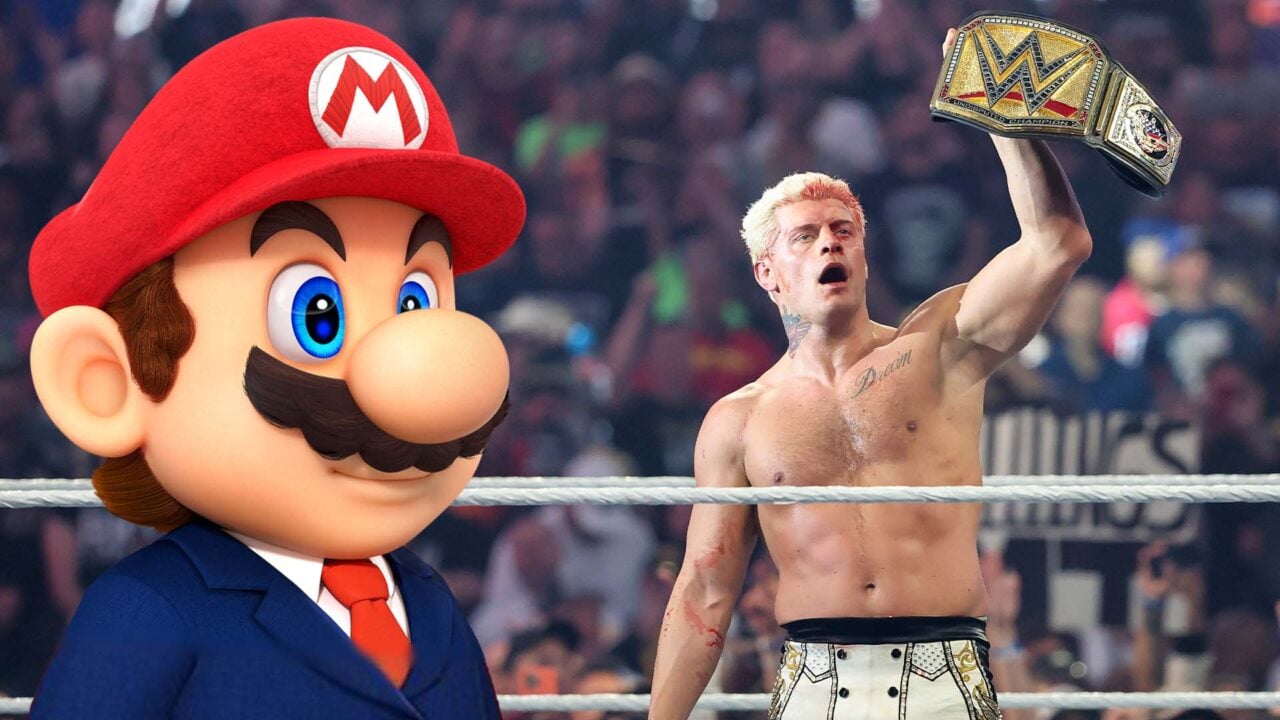
Nintendo's legal team sent WWE Superstar Cody Rhodes a cease-and-desist letter over custom wrestling boots featuring Mario imagery. The footwear displayed designs inspired by Nintendo's iconic plumber character, including recognizable red and blue colorways and Mario's signature aesthetic elements.
Rhodes wore the boots during WWE programming, giving the unauthorized Nintendo design significant television exposure. The wrestler had not obtained licensing from Nintendo before incorporating the character elements into his gear. The company took action to protect its intellectual property and prevent further unauthorized use of Mario's likeness.
This marks another instance of Nintendo aggressively defending its IP portfolio against unauthorized third-party use. The Japanese publisher has a long history of pursuing cease-and-desist letters against fan projects, ROM distribution sites, and commercial entities using its characters without permission. Nintendo protects assets across entertainment mediums, not just gaming.
WWE and Cody Rhodes received the legal notice, which demanded the removal of all Mario-inspired boot designs from future appearances. The cease-and-desist came before Rhodes could wear the boots again on television, effectively halting the merchandise exposure.
The incident underscores the complexities of IP enforcement when major entertainment figures operate in crossover spaces. Professional wrestling regularly incorporates pop culture references into wrestler personas and gear, but that doesn't shield wrestlers from trademark and copyright claims. Rhodes previously operated independent wrestling ventures where he controlled all creative elements, but WWE's status as a major broadcaster makes such IP violations more visible and legally actionable.
Nintendo continues investing heavily in protecting Mario and its other flagship franchises across all media. The company has ramped up enforcement against unauthorized merchandise, fan games, and commercial partnerships that lack proper licensing. The Rhodes cease-and-desist demonstrates that high-profile athletes and entertainment personalities remain subject to the same IP rules as everyone else, regardless of their mainstream visibility or cultural influence.