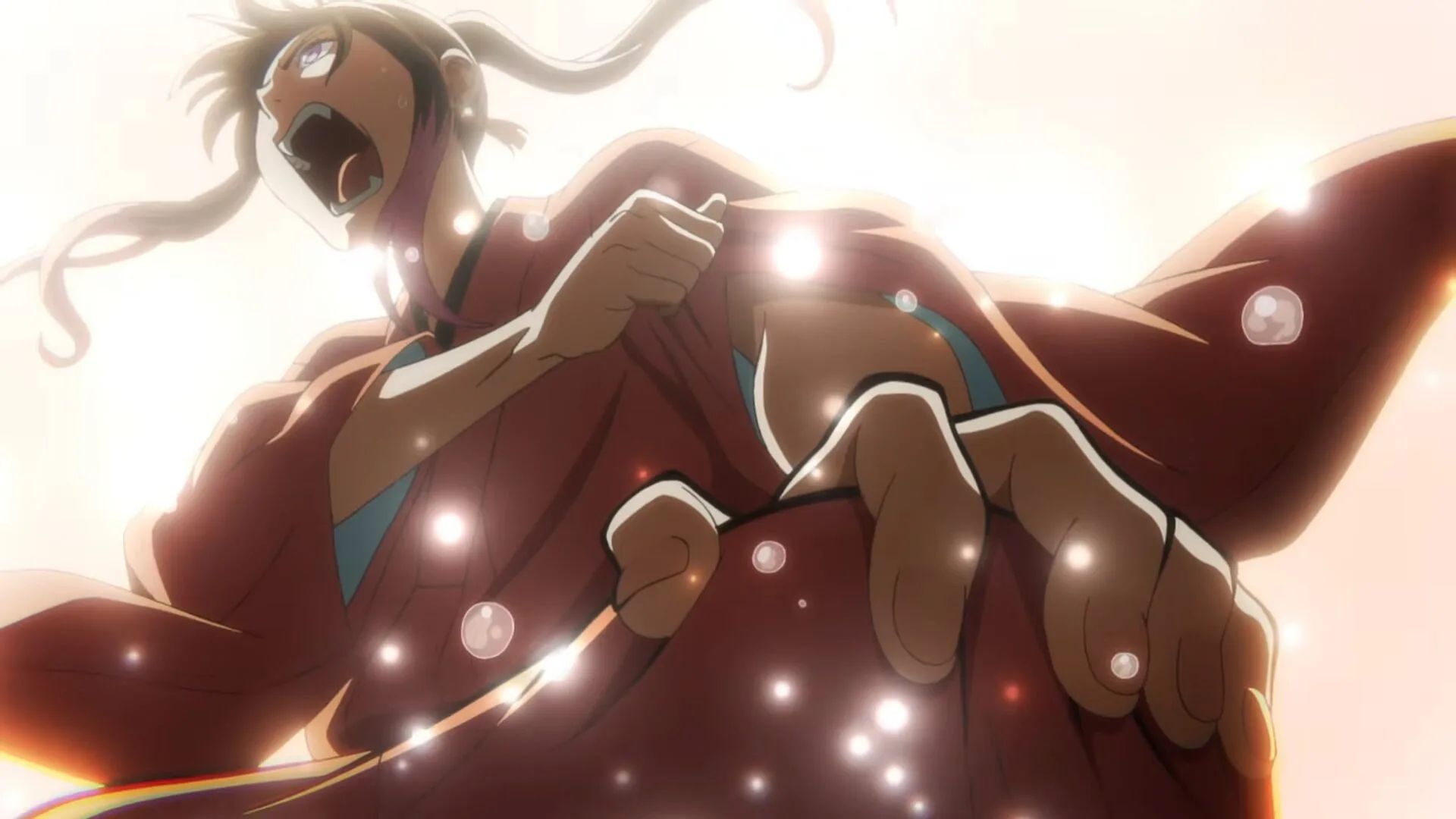
Akane-banashi, the spring anime adaptation of Yuki Suenaga's manga, defies conventional anime storytelling by delivering genuine excitement without combat or action sequences. The series centers on Akane, a high schooler who discovers rakugo, the traditional Japanese oral storytelling art form, and pursues it with the same intensity viewers typically associate with battle shonen.
The show's core strength lies in its ability to make dialogue and performance inherently thrilling. Each rakugo recitation becomes a climactic moment. Akane's journey from novice to performer generates tension and stakes entirely through character development and artistic ambition rather than explosive set pieces. Director Tomohisa Taguchi and the production team at P.I.C.S. transform what sounds like a niche subject into genuinely captivating television.
What makes Akane-banashi's overlooked status puzzling is how well it executes on emotional storytelling. The show builds toward each performance with careful pacing, giving weight to moments where Akane masters a technique or overcomes self-doubt. Her mentor-student relationship with her rakugo master carries real weight. The writing understands that personal growth provides narrative propulsion as effectively as any tournament arc.
Spring 2024's anime slate included major releases and sequels that dominated discourse, leaving Akane-banashi in the shadows despite its craft. Polygon's framing as the season's best overlooked show reflects a broader pattern. Strong character-driven narratives without spectacle struggle for visibility in an industry that treats action sequences as the default excitement metric.
The series proves anime can extract maximum engagement from performance and artistry. Akane-banashi belongs in conversations alongside acclaimed character studies, yet it remains criminally under-watched. For viewers exhausted by formula-driven action anime, this show offers something genuinely different. Traditional Japanese