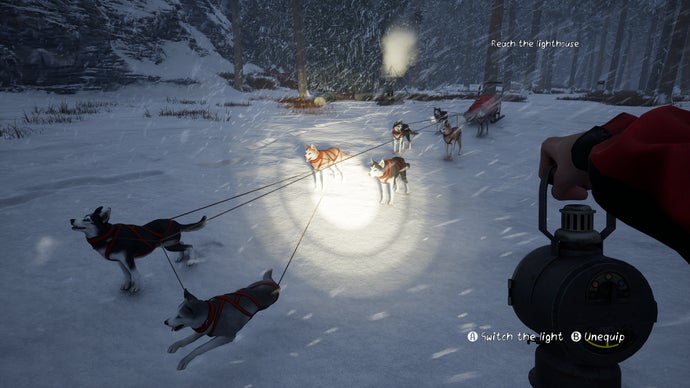
Will: Follow the Light delivers gorgeous Arctic environments and ambitious survival themes, but stumbles with tedious puzzle design that undermines its atmospheric potential.
The indie adventure follows Will, a Norwegian protagonist navigating frozen wastelands and treacherous seas in a first-person journey wrapped in mystery and survival mechanics. The game's visual presentation captures desolate Nordic landscapes effectively, creating moments of genuine environmental storytelling through its icy, storm-battered settings.
The core problem emerges in execution. Beyond the striking premise and scenic vistas, Will: Follow the Light devolves into repetitive shed-based puzzle solving that drains the tension established by its opening act. The game's early promise of perilous Arctic exploration gives way to busywork that feels disconnected from the narrative stakes. Puzzle logic often frustrates rather than satisfies, lacking the elegant design that turns brain-teasers into rewarding moments.
The disconnect between presentation and substance defines the experience. Players arrive expecting a gripping survival tale across dangerous terrain. Instead, they encounter methodical, uninspired puzzle sequences that stretch on without meaningful progression. The game's atmospheric strengths, its ability to make desolation feel tangible, get squandered on filler content.
Will: Follow the Light represents a common indie pitfall. Strong concept and visual direction fail to compensate for weak core mechanics. The Arctic setting and mysterious journey hook players initially, but repetitive puzzle design and lack of pacing variety turn that initial hook into frustration.
For players seeking atmospheric exploration or puzzle variety, other titles deliver better returns. Firewatch, The Stanley Parable, or even older gems like Myst offer more thoughtful puzzle integration. Will: Follow the Light feels lost between its ambitions and its execution, never quite finding its footing on either artistic or mechanical ground.