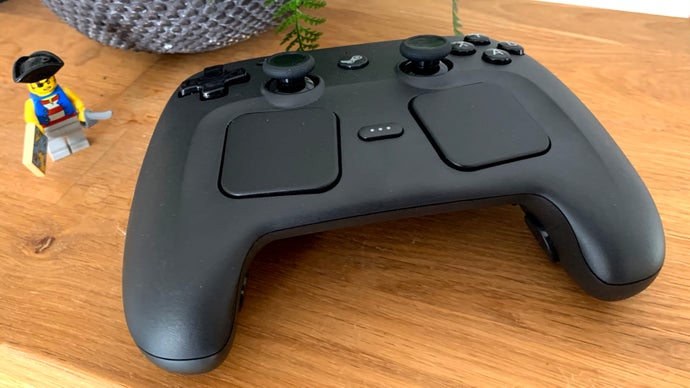
Valve launched a reservation system for the Steam Controller 2 after the device sold out within days of its release. The new controller, priced at £85, became impossible to purchase following its initial availability, creating frustration among PC and Steam Deck players who wanted to upgrade from older peripherals.
The reservation system allows interested buyers to secure a unit for future fulfillment rather than losing access entirely to out-of-stock inventory. Valve acknowledged the shortage as "incredibly frustrating" in official communications, signaling the company views the situation as a genuine supply problem rather than intentional scarcity marketing.
The Steam Controller 2 represents Valve's major hardware push beyond the Steam Deck handheld console. The device features trackpads, haptic feedback, and adaptive triggers designed specifically for Steam's input customization software. Early adoption demand from the PC gaming community exceeded Valve's production capacity, leaving many players unable to purchase within the first wave.
This shortage mirrors broader hardware availability challenges plaguing the gaming industry. Supply chain constraints continue affecting gaming peripherals, making high-demand accessories difficult to stock consistently. Valve's rapid sell-through suggests strong market confidence in the Steam Controller 2 as a successor to the original model, which the company discontinued in 2019.
The reservation approach lets Valve manage demand without turning away customers entirely. Players can now register interest and receive units as production scales up, preventing complete exclusion from the market. This strategy protects brand goodwill by demonstrating the company takes availability seriously while still facing genuine manufacturing bottlenecks.
For Steam Deck owners and competitive PC players, the wait for stock availability continues. Valve has not announced specific timelines for when reserved units will ship, leaving buyers in a holding pattern. The situation underscores how even successful hardware manufacturers struggle with demand forecasting and production planning in the current market environment.