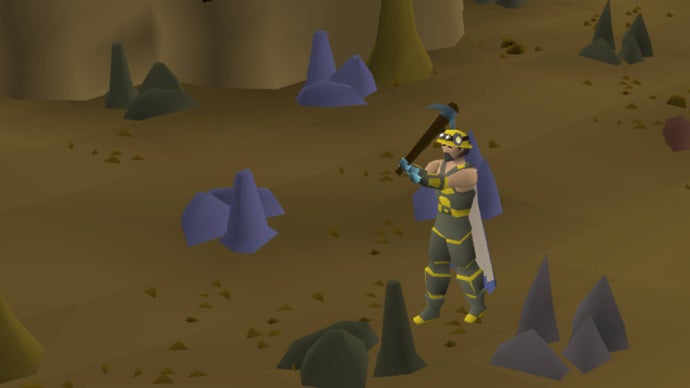
Old School RuneScape's coal has generated stronger returns than Ethereum over the past year. The in-game resource, obtained through mining, has appreciated in value faster than the second-largest cryptocurrency by market cap.
This quirk highlights the volatility and real-world economics embedded in RuneScape's player-driven market. Coal serves as a fundamental crafting material in OSRS, used for smithing and other production skills. Its price fluctuates based on supply, demand, and player activity across Jagex's long-running MMO.
Ethereum's 2024 performance has disappointed many investors. The cryptocurrency struggled with regulatory headwinds, market consolidation, and competition from other blockchain platforms. Meanwhile, Old School RuneScape has maintained steady engagement from its dedicated playerbase, keeping demand for core materials like coal consistent.
The comparison, while humorous on the surface, underscores something real about virtual economies. RuneScape's Grand Exchange operates with genuine scarcity and utility. Players need coal to progress, creating baseline demand that props up prices. Cryptocurrency markets, by contrast, respond to sentiment, speculation, and macro factors largely disconnected from practical use cases.
Jagex has spent two decades refining OSRS's economy after the 2007 version of RuneScape faced severe inflation and market collapse. Modern safeguards include item sinks, limited respawn rates on key resources, and community-driven price discovery through trading. The result feels more stable than most crypto markets.
This isn't the first time OSRS economics have outpaced financial assets. The game's economy regularly generates analysis from players tracking gold prices, margin strategies, and wealth distribution. Some players treat it as a serious investment simulator alongside actual grinding.
For casual observers, the coal-versus-Ethereum comparison is a meme. For RuneScape economists, it's