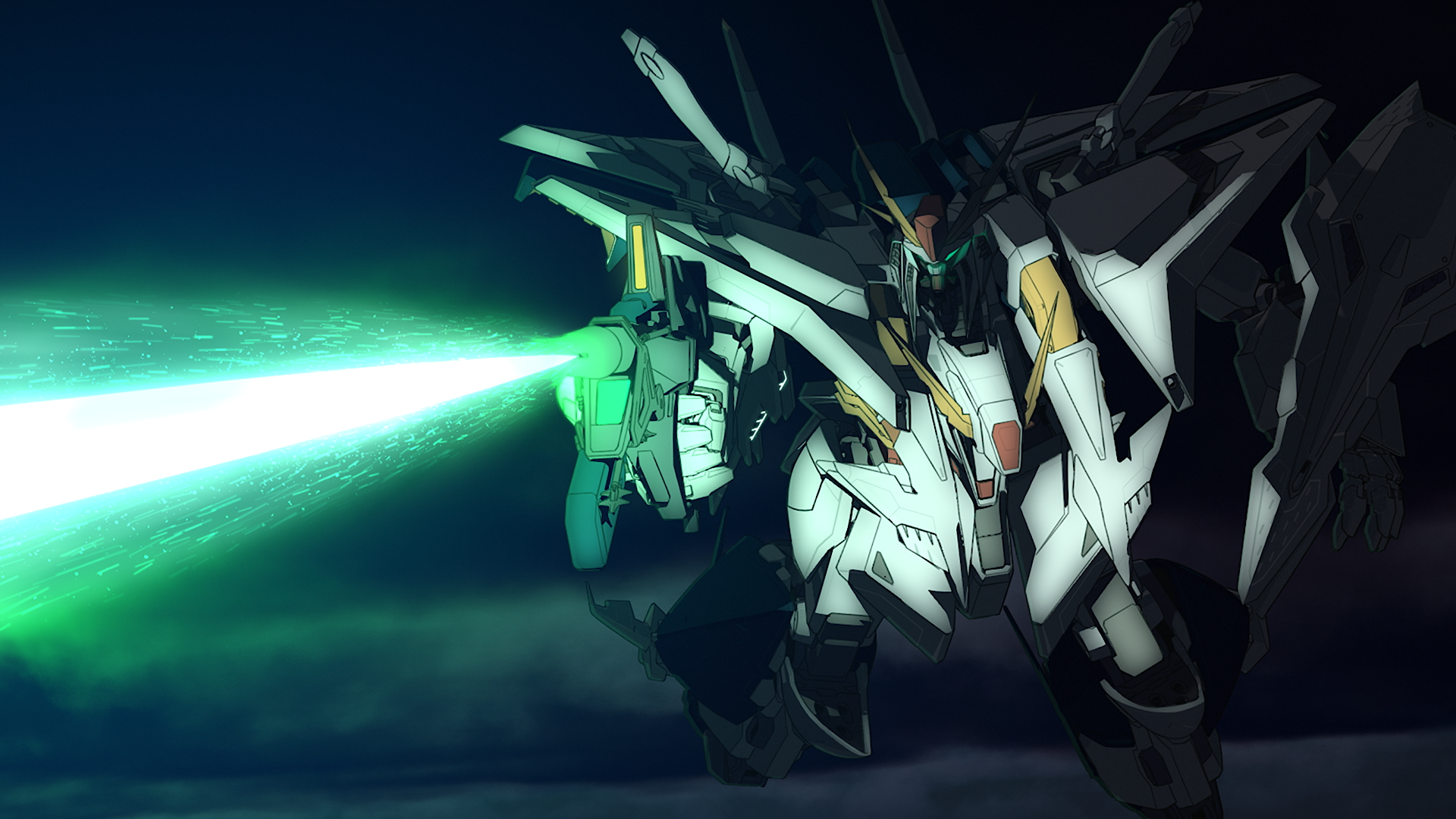
Sunrise Studio's "Mobile Suit Gundam Hathaway: The Sorcery of Nymph Circe" continues the studio's streak of delivering ambitious anime films that deconstruct the mecha franchise's core heroic mythology. Polygon's review argues this sequel stands among the strongest Gundam movies released in recent years, primarily because it abandons the traditional hero narrative that defines the franchise.
The film follows the Hathaway continuity established by the original 2021 film, deepening themes of moral ambiguity and political complexity. By stripping away clear-cut heroism, the story forces viewers to reckon with the consequences of warfare and ideology without the comfort of protagonists to root for unconditionally.
This narrative approach separates "The Sorcery of Nymph Circe" from standard mecha fare. Most Gundam productions rely on protagonist arcs where pilots grow into their roles as defenders or liberators. This sequel rejects that formula entirely. Characters operate in shades of gray, pursuing conflicting ideologies with legitimate grievances on multiple sides. No faction emerges as wholly righteous, and no pilot assumes the traditional hero's journey.
The execution matters here. Sunrise demonstrated technical prowess with the first Hathaway film, and the sequel apparently maintains that standard while pushing narrative boundaries further. The studio's willingness to risk alienating audiences through moral complexity suggests confidence in the creative direction and the fanbase's appetite for sophisticated storytelling.
For the broader Gundam franchise, this represents a validation of the "Hathaway" project as a distinct creative vision separate from the main timeline properties. While Gundam has explored darker themes before (Mobile Suit Gundam 0080 and Gundam 00 both featured morally compromised characters), doing so in a major theatrical release with this level of th