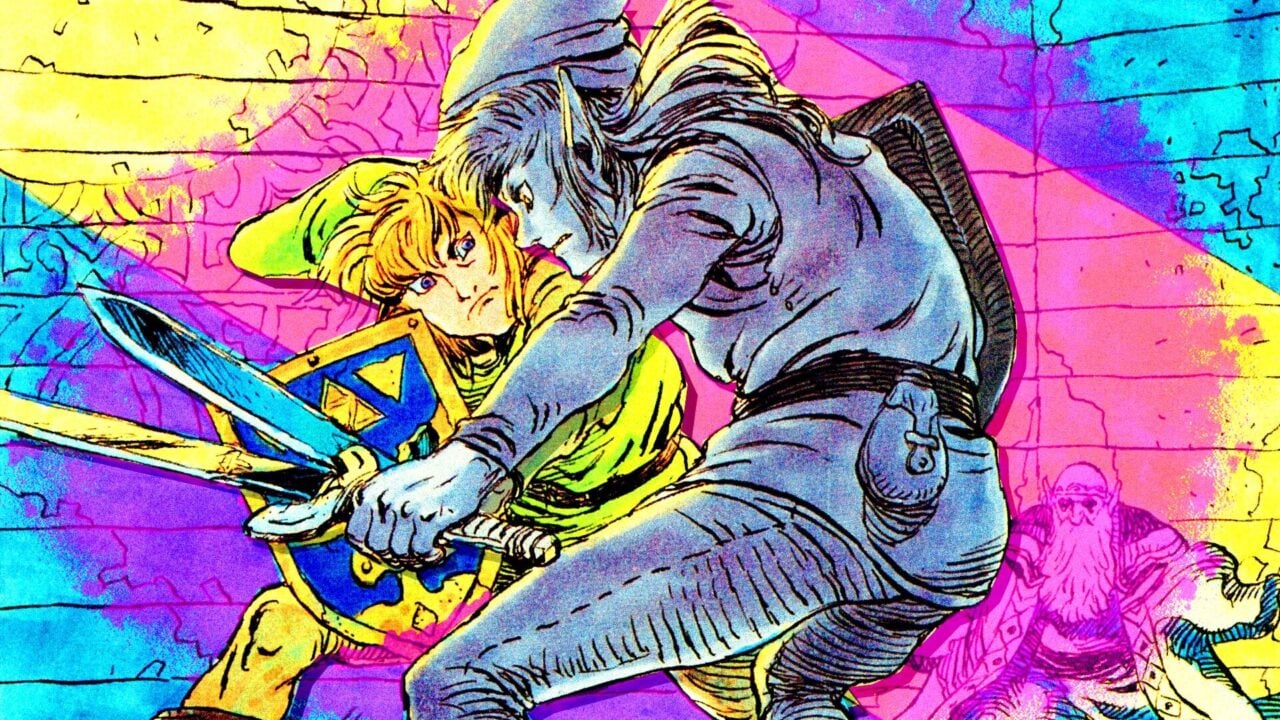
Zelda II: The Adventure of Link remains one of gaming's most misunderstood classics. Released on the NES in 1987, this side-scrolling action-RPG hybrid broke sharply from its predecessor's formula, introducing sword combat, experience points, and a darker tone that confused players expecting another top-down adventure.
The game earned a reputation as the "black sheep" of the franchise. Its difficulty spikes, obtuse dungeon design, and reliance on trial-and-error exploration frustrated casual players. Nintendo itself seemed to distance the series from it, rarely acknowledging the title in official retrospectives. For decades, gaming culture treated Zelda II as an embarrassing outlier.
That dismissal misses what makes Zelda II genuinely inventive. Its combat system demands precision timing and deliberate positioning, creating tension absent from the original game. The magic system forces strategic thinking about resource management. The world design rewards exploration with hidden caves, towns filled with NPCs offering hints, and secrets tucked into corners. These elements influenced action-RPGs for years.
Emulation and modern accessibility have given players fresh perspective. Zelda II's mechanics hold up. Its pacing creates genuine stakes. The difficulty, while unforgiving by today's standards, serves the game's design rather than undermining it. Contemporary indie developers have mined its sidescrolling action-RPG DNA, proving the framework works.
Nintendo's current approach ignores this legacy. The franchise moved away from Zelda II's direction entirely, and that's fine. But the company could acknowledge the game's influence and design merit rather than treating it as a footnote. A faithful remake could introduce modern conveniences while preserving what made the original distinctive.
Zelda II doesn't need rehabilitation. It needs recognition that it was ahead of its time, not a mistake.
THE BOTTOM LINE: