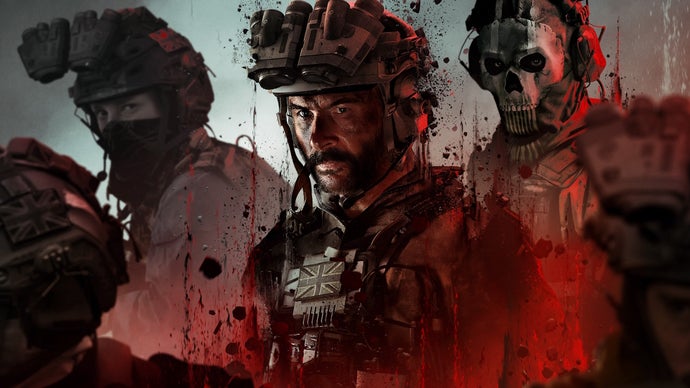
Activision has officially confirmed that the next Call of Duty will abandon PS4 and Xbox One support, marking a generational shift for the franchise. Black Ops 7 stands as the final entry to support last-generation hardware, ending a six-year stretch where the series maintained cross-generation compatibility.
The decision reflects industry momentum toward current-gen exclusivity. PS4 and Xbox One launched in 2013, and supporting aging hardware has grown increasingly restrictive for AAA development. By dropping these platforms, developers gain access to substantially faster SSDs, more RAM, and modern CPU architecture. This translates to faster load times, larger worlds, and more aggressive visual fidelity than current cross-gen titles allow.
Call of Duty's reliance on eighth-gen support stemmed partly from install base logic. PS4 and Xbox One remained profitable install bases through 2024, with millions of active players. However, console lifecycles compress at their tail end. Both platforms now sit seven years into their lifespan, with adoption of PS5 and Series X accelerating. The installed base supporting last-gen hardware had likely dropped to a threshold where the development cost of maintaining compatibility exceeded revenue gains.
This aligns with industry patterns. Activision's own Diablo 4 went current-gen only. Square Enix's Final Fantasy 7 Remake Part 2 skipped PS4. Even EA's yearly sports franchises began dropping older platforms. The trend accelerates through 2025 and 2026 as publishers shift toward native current-gen development.
For Call of Duty, the timing matters. The franchise generates billions annually, and the player base migration from PS4 to PS5 has substantially completed. Removing last-gen support lets Activision rebuild its engine and architecture optimized for modern systems, rather than designing around decade-old constraints.