Sony has not officially announced the PlayStation 6, but industry speculation about the console's hardware, release window, and feature set dominates gaming discourse. Current rumors suggest PS6 development is underway with a potential 2028 launch window, though Sony remains tight-lipped on any official timeline.
Speculation centers on several technical fronts. Sources claim the console will feature custom AMD processors with significant computational jumps over PS5, potentially enabling 8K gaming and ray-tracing at higher fidelity than current generation. Some rumors point toward AMD's upcoming RDNA architecture as a foundation, though concrete specs remain unconfirmed.
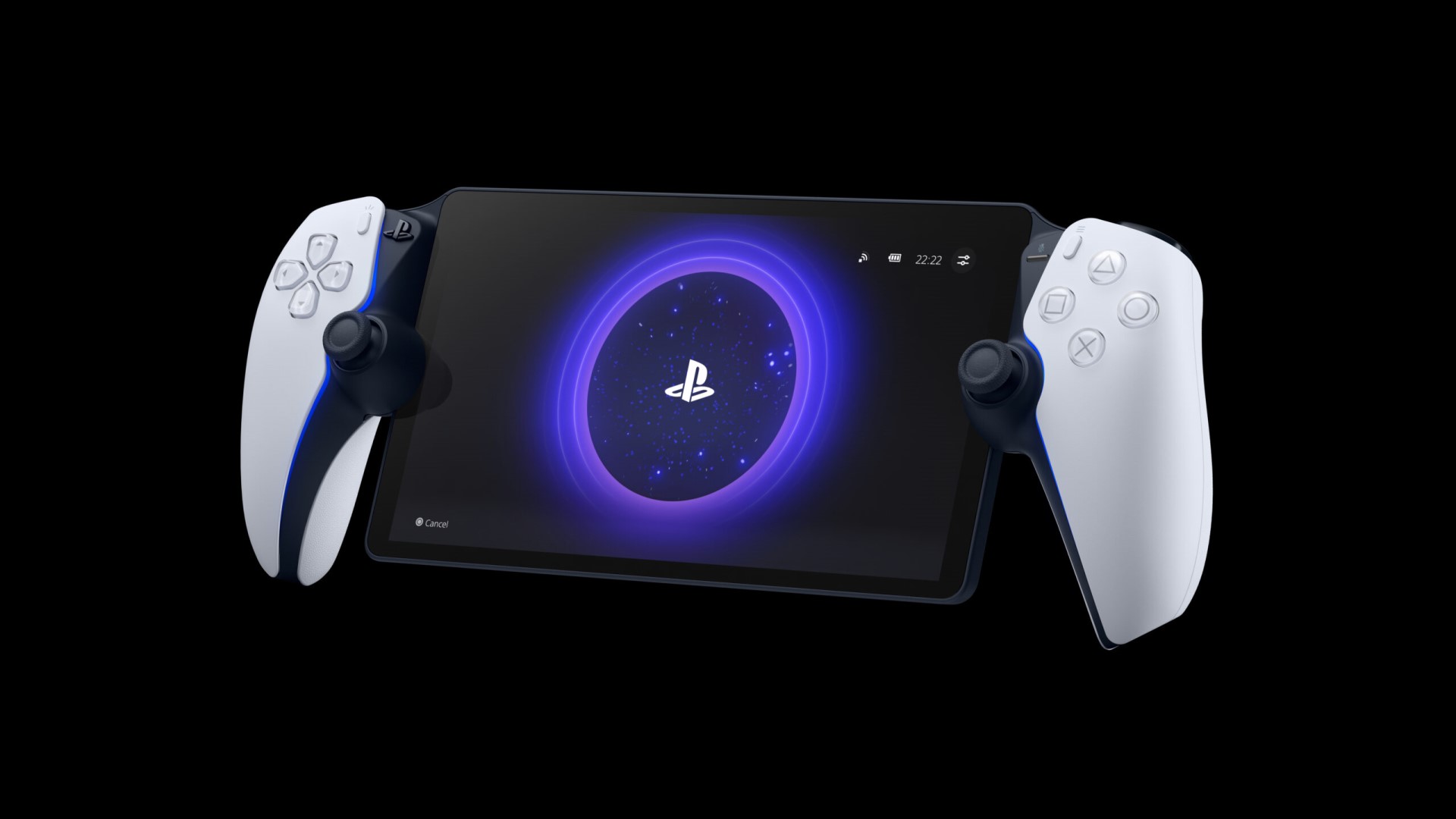
The handheld question looms large. Industry observers debate whether Sony will release a portable PS6 competitor to Nintendo Switch or Xbox Game Pass handheld devices. A dedicated handheld or a hybrid system remains speculative, with no official direction from Sony. PlayStation Portal's current success as a streaming device hasn't clarified Sony's long-term portable strategy.
Backwards compatibility appears certain based on industry trends. PS5 holds strong backwards compatibility with PS4, and analysts expect this practice to continue. Game preservation and consumer goodwill both favor supporting previous generation libraries.
Pricing remains completely unknown. PS5 launched at $499 for the standard edition in 2020, with supply constraints making early adoption difficult. Current console economics suggest PS6 could cost similarly or higher depending on manufacturing costs and market competition.
The competitive landscape shapes expectations. Microsoft's next Xbox iteration and Nintendo's Switch successor both factor into Sony's strategic planning. Game Pass as a service model influences how PlayStation positions subscription value alongside hardware costs.
Sony faces pressure to demonstrate why new hardware matters beyond raw processing power. Gameplay innovations, exclusive titles, and service integration will determine consumer adoption. The company's first-party studios including Insomniac, Naughty Dog, and Guer