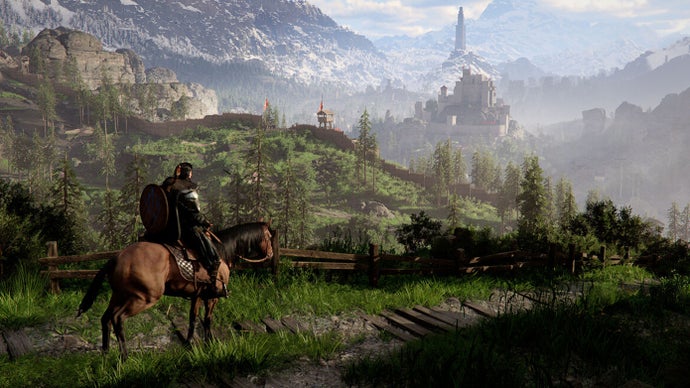
Pearl Abyss deployed a substantial patch for Crimson Desert focused on addressing end-game combat stagnation. The update introduces Rematch and Re-blockade features, two mechanics designed to inject fresh challenges into post-story progression. Players can now capture and keep legendary creatures as pets, expanding the creature collection system beyond cosmetic value.
The patch targets a persistent pain point in live-service MMO-action games. End-game content often plateaus once players exhaust story missions and initial dungeon runs. Rematch mechanics typically allow players to face previously defeated bosses under new conditions, scaling difficulty and rewards. Re-blockade appears to offer repeatable siege or territorial control scenarios, giving players ongoing PvP or co-op objectives beyond the initial conquest.
Adding legendary creature companions serves multiple purposes. It deepens progression systems, provides long-term collection goals, and offers pet-specific abilities that shift combat tactics in end-game encounters. This keeps established players engaged while signaling to newer players that significant depth waits beyond the campaign.
Crimson Desert launched last October, drawing heavily from Pearl Abyss' Black Desert formula while targeting console and PC audiences. The game landed as a semi-open action RPG with a major pivot toward story-driven single and co-op experiences compared to Black Desert's hardcore MMO structure. Player retention patterns immediately reflected the typical live-service cycle. Launch enthusiasm peaks, then dips once content-focused players finish story missions.
This patch represents Pearl Abyss acknowledging that reality. Rather than forcing players into PvP or grinding identical dungeons repeatedly, the developer adds structural variety to end-game loops. Rematch and Re-blockade require different approaches than initial playthroughs, theoretically extending engagement between major content drops.
The timing matters. Crimson Desert's console ports and continued PC optimization compete for attention against established action