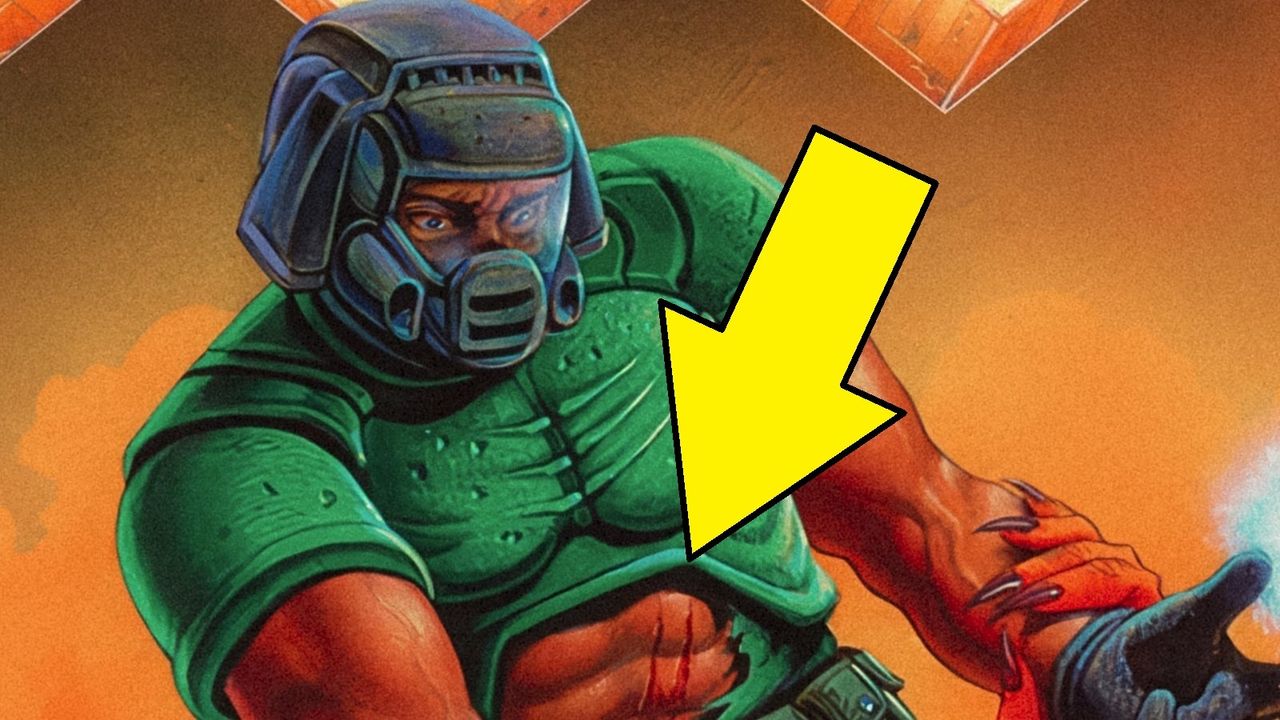
The Doom Slayer's iconic torso design sparks debate within the community. For decades, players assumed the character wore armor with a deliberate abdominal window. PC Gamer sets the record straight: Doomguy's armor features no such opening. His shirt simply tore during combat, exposing his midsection.
This clarification matters because the design has become central to Doomguy's visual identity across multiple games. From the original 1993 Doom through id Software's 2016 reboot and 2020's Doom Eternal, the exposed stomach defined the Slayer's look. Players accepted it as intentional armor design, never questioning why a warrior would leave his core unprotected.
The distinction shifts how fans understand the character's aesthetic. Rather than tactical choice, the damage represents wear and tear from an eternity of combat. The ripped shirt conveys a more visceral, battle-hardened appearance than a purposeful design choice ever could.
This kind of character design clarification reflects how community interpretation can diverge from developer intent. Doomguy's appearance evolved organically across games without explicit explanation. Players filled knowledge gaps with their own logic. The PC Gamer piece provides official context, settling long-standing forum arguments about whether id Software intentionally designed the armor to expose the Slayer's abdomen.
The detail matters less for gameplay and more for understanding the character's fictional presentation. It reinforces Doomguy as a relentless warrior who endures damage but continues fighting. The tattered shirt becomes evidence of his uncompromising nature rather than a design flaw or intentional vulnerability.
This conversation highlights how gaming communities construct meaning around visual design. Small details receive intense scrutiny and interpretation. When developers finally address these details, they often reveal simpler explanations than fans imagined. The ripped shirt