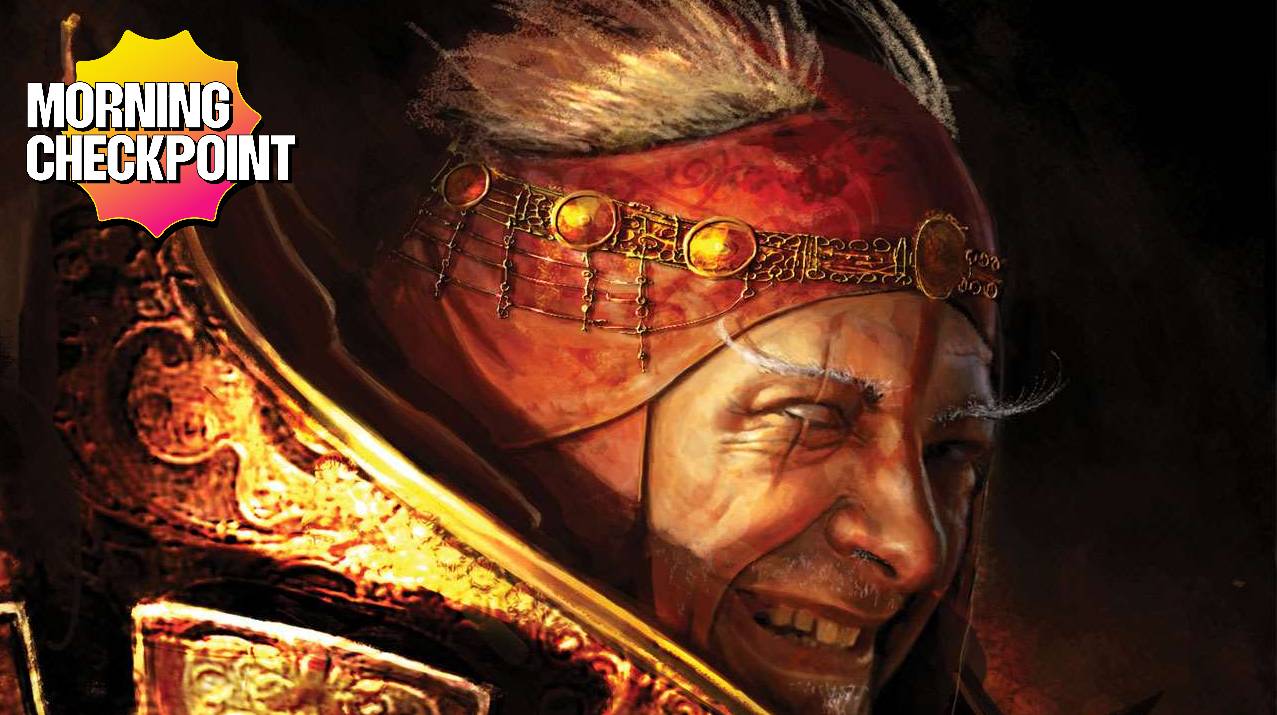
Andy Serkis, the motion-capture pioneer behind Gollum and Caesar, says the entertainment industry's attitude toward video game acting has shifted dramatically since his 2010 performance in Heavenly Sword on PS3. Back then, film and television actors faced real stigma for taking game roles. That barrier has essentially vanished.
Serkis' work in Heavenly Sword marked an early example of A-list talent committing to motion-capture game performances. The game featured a cinematic narrative that rivaled film production values, yet game acting still carried a reputation as lesser work. Actors worried about how game credits would play on a resume. Studios treated game voice work as disposable compared to film projects.
The landscape transformed. Games like The Last of Us, Red Dead Redemption 2, and Death Stranding normalized high-end performances from established actors. Studios now invest millions in casting talent like Troy Baker, Laura Bailey, and Neil Druckmann's collaborators. Award recognition followed. Game performances garner legitimate critical discussion. Sony, Microsoft, and independent studios compete for name actors.
Serkis' point matters because it reflects the medium's cultural ascension. Games generate more revenue than film and music combined. Production budgets dwarf many Hollywood projects. A leading role in a major AAA title offers visibility and artistic credibility, not career damage.
The shift benefits everyone. Games attract better actors. Better actors elevate storytelling. Players experience performances that match cinematic quality. The entire industry moves forward.
Serkis' observation also comes as Nintendo's Switch hardware ages out. The handheld console's lifecycle winds down ahead of Switch 2's arrival, sales momentum stalls, and developers move resources elsewhere. Meanwhile, 2K Games dissolved Project Ethos, cutting developers from its live-service initiative. Industry consolidation accelerates even as individual