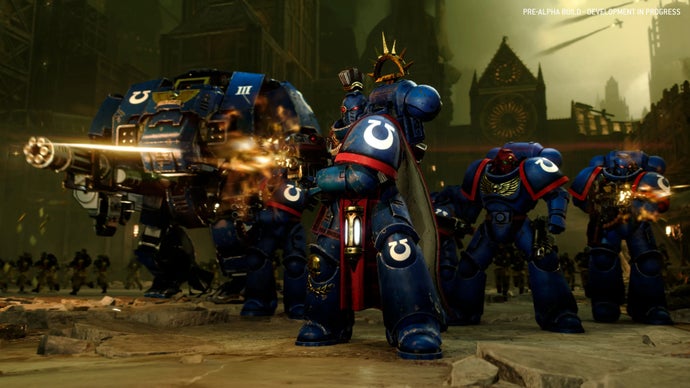
Total War: Warhammer 40,000 introduces dynamic map destruction as a core tactical mechanic, forcing players to fundamentally rethink how they approach cover and positioning in battles. Creative Assembly's newest entry in the strategy series lets players demolish environmental objects that units use for defense, eliminating the static cover-based gameplay that defined previous Total War titles.
The developer carefully implemented destruction in specific areas rather than making it universal. This targeted approach prevents the feature from overwhelming core strategy systems while maintaining the franchise's established flow. Players can now destroy fortifications, rubble, and terrain features where Imperial Guardsmen seek shelter, creating high-risk decisions around unit placement and resource expenditure.
The mechanic represents a significant shift in design philosophy for the series. Traditional Total War gameplay revolves around unit positioning, formation management, and cavalry tactics. Cover interactions existed but remained secondary to those core concepts. Destruction recontextualizes cover as a temporary asset rather than a permanent advantage, pushing players toward aggressive, dynamic tactical decisions.
Creative Assembly balanced this innovation carefully. Rather than allowing armies to bulldoze entire battlefields, destruction activates in designated zones where it genuinely impacts combat outcomes. This prevents the mechanic from becoming either trivial or overwhelming. Players must weigh whether destroying enemy cover justifies the action economy and resources required.
The change directly responds to the Warhammer 40,000 IP's destructive nature. The setting embraces large-scale devastation and apocalyptic warfare. Total War: Warhammer 40,000 needed mechanics that reflected this grimdark aesthetic rather than relying on the historical grounding that shaped previous entries.
This destruction system distinguishes Total War: Warhammer 40,000 from both earlier Warhammer titles and the broader strategy landscape. It creates new skill expression opportunities while maintaining the micromanagement depth that defines the franchise.