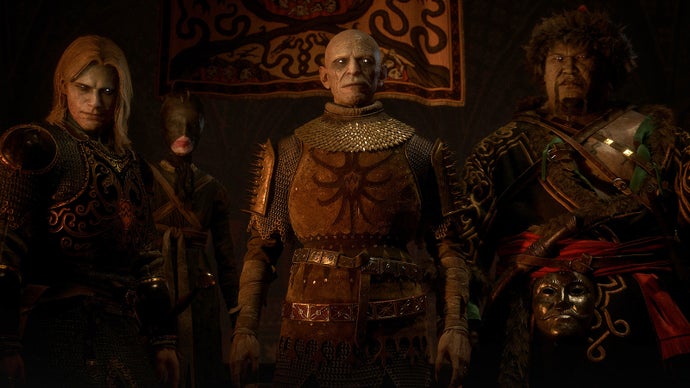
The Blood of Dawnwalker, the freeform dark fantasy vampire RPG from Witcher 3 director Konrad Tomaszkiewicz, eliminates traditional quest structure entirely. Players face a single objective: rescue their family from vampires within 30 in-game days. How and when that happens rests entirely with the player.
The game's radical freedom extends further than most open-world titles. Skilled players can bypass side content, skip entire questlines, and rush toward the endgame confrontation immediately. This design philosophy reflects Tomaszkiewicz's departure from CD Projekt Red's narrative-driven approach, prioritizing player agency over guided storytelling.
The 30-day time limit creates pressure without dictating a prescribed path. Unlike traditional RPGs with mandatory quests gating progression, Blood of Dawnwalker trusts players to manage resources, build power, and plan their rescue attempt. Speedrunning the entire experience becomes genuinely viable for those with sufficient skill and knowledge.
This structure appeals to players fatigued by checklist open-world design and marker-following gameplay loops. It echoes older, less handholding RPG design philosophy where games trusted players to find their own objectives. The tradeoff appears deliberate: tighter focus and player autonomy in exchange for potentially less content padding.
The reception signals a market appetite for alternative approaches to open-world design. While some players crave hand-holding and clear objectives, others actively reject the bloat of modern AAA titles. Blood of Dawnwalker positions itself as the latter's answer.
THE TAKEAWAY: By removing traditional quest structures entirely, The Blood of Dawnwalker offers genuine freedom at the cost of guided storytelling, appealing to players tired of conventional open-world design.