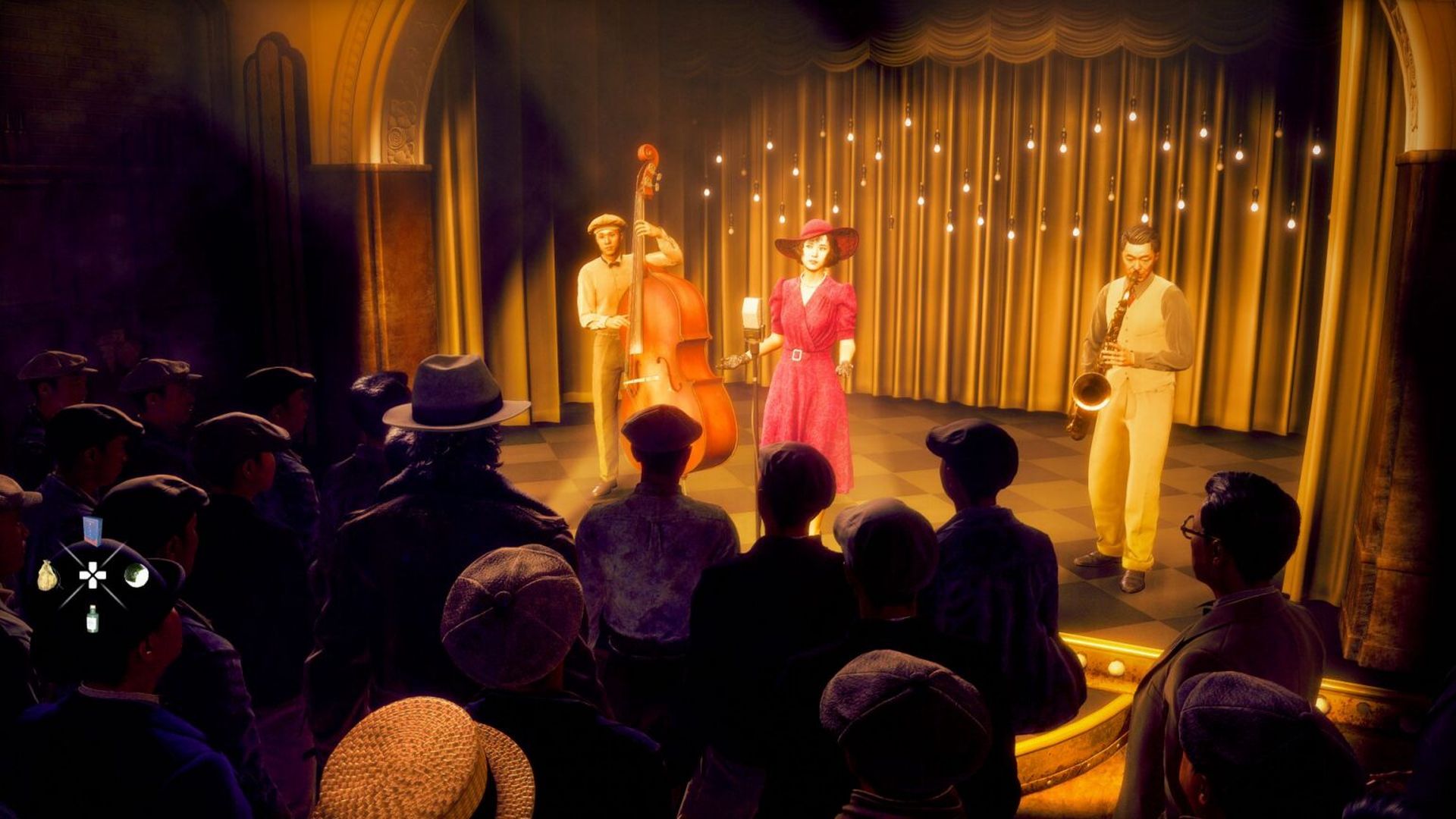
Stranger Than Heaven tasks players with building a music career from the ground up, starting as a composer named Makoto before evolving into a full-fledged talent scout and event organizer. The game blends creation tools with management mechanics, letting players write original compositions, discover and recruit musicians, and stage elaborate performances.
The progression system mirrors real music industry growth. Early on, Makoto focuses on songwriting and honing his craft. As he gains experience and resources, players unlock the ability to scout talent, negotiate with artists, and orchestrate increasingly ambitious shows. The game rewards strategic decisions about which performers to sign and which venues to book.
This hybrid approach sets Stranger Than Heaven apart from pure rhythm games or standard management sims. Players spend time in composition interfaces creating music, then transition to business-side mechanics that determine whether their creations reach audiences. The tension between artistic vision and commercial viability drives engagement.
The title taps into growing demand for music-focused gaming experiences beyond competitive rhythm titles. Games like Tchia and Sayonara Wild Hearts proved players hunger for experiences that celebrate music creation and curation. Stranger Than Heaven extends that interest into management territory, appealing to players who want to feel the weight of running a musical enterprise.
The game's scope suggests developer ambition to create something deeper than a niche title. Full composition tools combined with artist recruitment and event management indicate a substantial feature set designed to keep players engaged across multiple playthroughs.
THE TAKEAWAY: Stranger Than Heaven merges music creation with industry simulation, offering players a complete journey from composer to impresario.