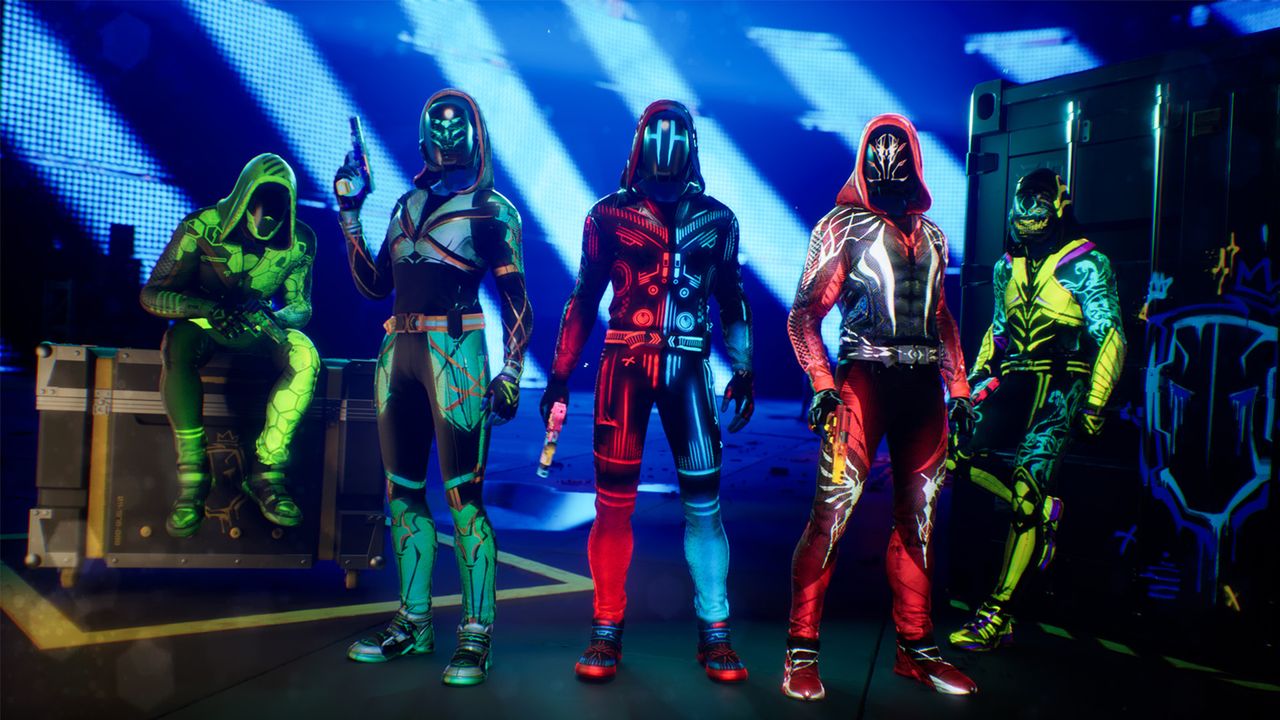
An unnamed indie shooter studio just made a bold decision in the face of player apathy. Rather than shut down servers like Concord did after just two weeks, these developers pivoted hard. They converted their underperforming paid shooter to free-to-play and committed to keeping servers running indefinitely.
This reverses the Concord playbook. Ubisoft's $200 million hero shooter lasted fourteen days before the publisher pulled the plug entirely, refunding all purchases and killing the game. The indie devs chose the opposite path: embrace the free model, maintain infrastructure, and give the game a second chance.
The move reflects shifting attitudes in live-service gaming. Where AAA publishers like Ubisoft cut losses fast, smaller studios prove more willing to experiment with alternative models. Free-to-play conversions offer low-cost resurrection attempts, banking on conversion through cosmetics and battle passes rather than initial purchase barriers.
Player reception initially tanked because the game cost money upfront in an era when most shooters compete free. The shift eliminates that friction entirely. This strategy works for titles with existing art direction and mechanics. The developers just need to convince lapsed players to return.
The comparison to Concord matters. Ubisoft's failure wasn't just about poor gameplay. It represented bloated budgets, corporate risk-aversion, and unwillingness to adapt. These indie developers demonstrate the opposite: scrappy iteration and long-term commitment despite market rejection.
Success isn't guaranteed. Free-to-play conversion helps but doesn't fix broken gameplay or design issues. Still, keeping servers alive costs less than most assume. Cloud infrastructure and minimal maintenance staff make indefinite operation feasible for small teams.
This story signals something larger about live-service gaming's future. Indie studios and mid-tier publishers increasingly operate as labs, testing approaches AAA firms won't touch. When one model