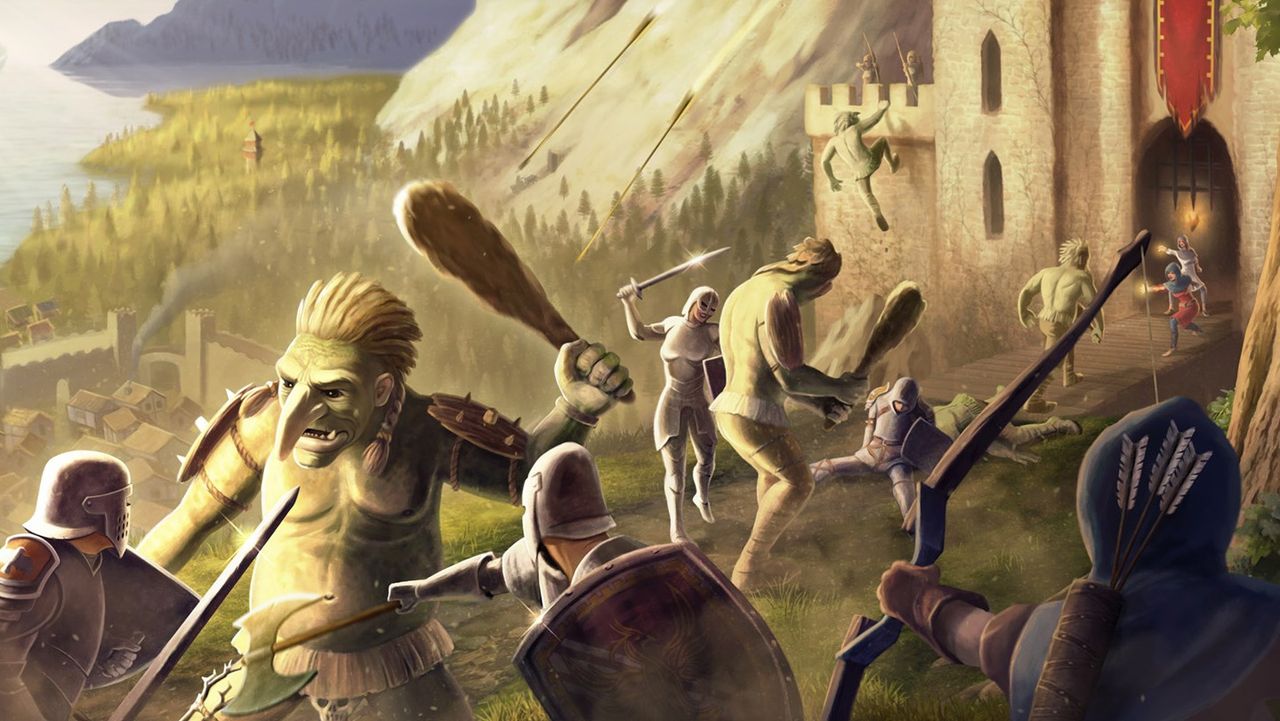
Wurm Online operated as a hardcore sandbox MMO where permadeath and player-driven consequences created genuine stakes. The 2009 PC Gamer feature by Quintin Smith captured a glimpse into a world where players faced brutal survival mechanics absent from mainstream MMOs like World of Warcraft.
In Wurm Online, death carried real weight. Players bled out during combat. Inventory losses were permanent. Housing and territory required constant maintenance or players lost everything. The game demanded active participation in a living economy where supply chains, farming, and crafting determined survival.
This contrasted sharply with contemporary MMO design. WoW and its imitators offered respawn systems, item recovery, and casual-friendly progression. Wurm Online rejected those conventions entirely. It attracted players seeking genuine risk and consequence, though its niche playerbase remained small compared to mainstream competitors.
The article documented Smith's firsthand encounter with Wurm Online's unforgiving mechanics. His experience reflected the game's core appeal. Hardcore players valued the tension. Every decision mattered. Recklessness resulted in death. Safety required strategy.
Wurm Online launched in 2003 and continues operating today, primarily through niche communities. The game never achieved mass-market success. Its design philosophy prioritized depth and consequence over accessibility. Developer Code Club maintained the servers with minimal marketing, relying on dedicated players who understood the experience.
The 2009 feature represented a moment when sandbox MMOs still seemed viable. Guild Wars 2, The Old Republic, and other AAA titles pursued different paths toward broader audiences. Wurm Online remained committed to its original vision. That consistency preserved its identity but limited growth.
Today, Wurm Online survives through devoted players who reject modern live-service design. The game's persistence without major evolution reflects both its strength and limitation. It defined a specific n