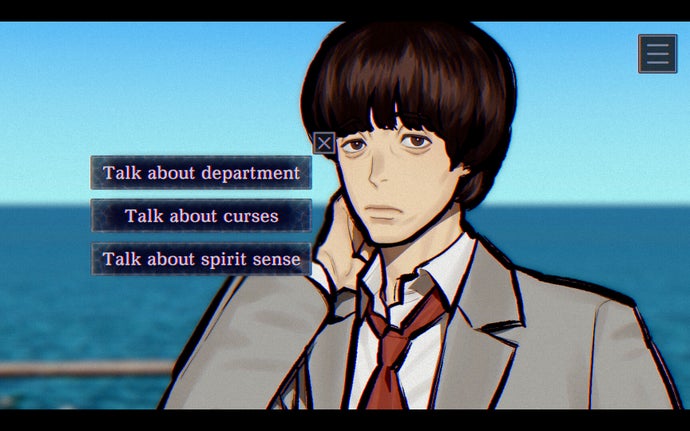
Square Enix's Paranormasight games—The Seven Mysteries of Honjo and The Mermaid's Curse—have emerged as critical darlings in the horror visual novel space. Director Takanari Ishiyama credits indie games with creating the market conditions that allowed these smaller projects from a major publisher to thrive.
The Paranormasight titles represent a shift in how large publishers approach niche genres. Square Enix greenlit two Japanese horror visual novels when that space seemed commercially risky for a AAA studio. Ishiyama argues that the indie scene's success with atmospheric horror and experimental storytelling provided proof of concept. Games like Kentucky Route Zero, What Remains of Edith Finch, and others validated that players crave unconventional narratives and mood-driven experiences.
This matters because it shows how indie innovation directly influences publisher strategy. When smaller teams demonstrate audience appetite for overlooked genres, big studios take notice. The Paranormasight games wouldn't exist without that indie groundwork. Their critical acclaim and dedicated fanbase validate what Ishiyama observes: high-quality independent titles expand the entire industry's creative boundaries.
The horror visual novel genre specifically benefited. Japanese visual novels had struggled for Western recognition outside niche circles. Indie developers proved the format could resonate globally. Square Enix's investment—backed by real marketing push and production values—elevated the entire category's visibility.
Ishiyama's comments reveal how publisher risk calculus actually works. Indies test markets. They build communities. They prove demand exists. Then publishers enter with resources to scale those ideas. This cycle has accelerated post-2020, as digital distribution removed gatekeeping power from retail shelf space.
The Paranormasight series sold well enough to justify sequels and expansions. That wouldn't happen without the indie ecosystem establishing that atmospheric,